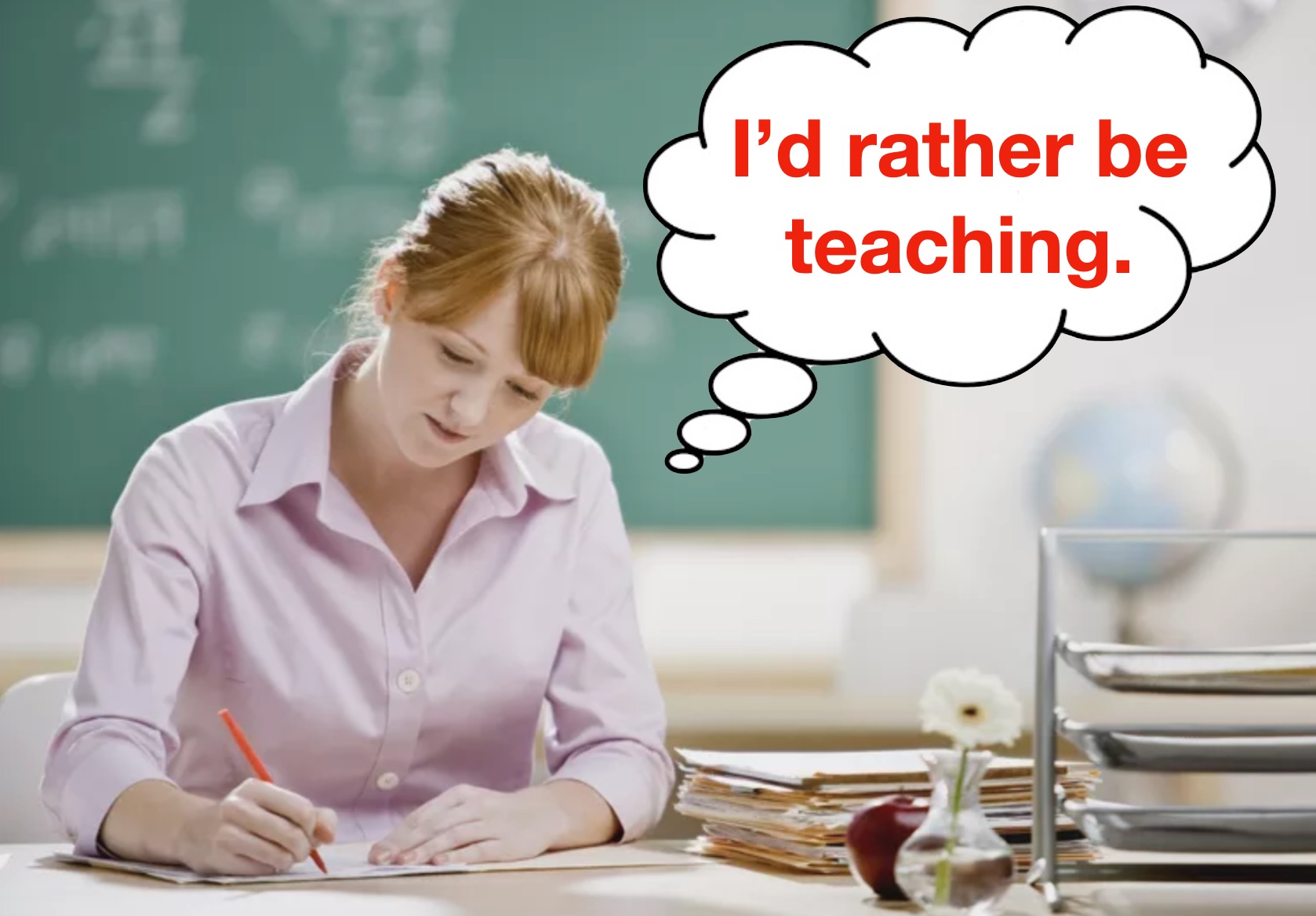
At least I have time to grade some papers and call some parents and plan out how my next few lessons will fit into each other to form a coherent whole.
Which seems to be the norm in the physical school building these days.
You need to understand something.
Every time you take away a teacher’s planning period – whether it be to cover an IEP meeting, use a teacher as a security guard in the cafeteria, sending someone to a training or otherwise – you are reducing the quality of instruction that teacher is able to provide that day.
And if you do it for long enough, you can no longer fairly judge that teacher’s annual performance by the same expectations you would have under normal conditions.
You need to put an asterisk next to her name for the year.
Meaning this isn’t the best she could do, but this is the best she could do WITHOUT HER PLAN.
Imagine an actor going on stage without having the chance to practice the play? Imagine an athlete playing in the championship game without having the chance to warm up or watch tape. Imagine a pilot flying your plane without being able to contact the air traffic controller or plan the route from one airport to another.
In fact, if most other professionals working under these conditions were able to pull out something even passable, we’d celebrate them as prodigies.
Wow! Did you see Denzel in Hamlet? He didn’t even have a chance to practice! He just did the whole play from memory!
Oh! And when Brady threw that touchdown pass! He wasn’t even warmed up! He rushed right from his car to the field – and he wasn’t even at training camp all week!
But I know what the excuse will be: this is unavoidable.
There are just too many absences and not enough subs. And to an extent that’s true.
However, what are you doing to alleviate that situation?
Have you reached out to local colleges to find teaching students who would relish the experience of subbing? Have you reached out to retired teachers looking for extra pay? Have you lobbied the school board and the legislature for more money to pay subs and teachers?
Have you done everything you can to support the health and well-being of your staff so that fewer need to take off? Have you cut all unnecessary tasks like formal lesson plans, stopped holding staff meetings unless an urgent need presents itself, refrained from new and unproven initiatives, cut duties where possible to increase teacher planning time?
If not, then don’t talk to me about inevitability. You have contributed to it.
The people who are left want to be in the classroom because we love teaching. However, with all the nonsense heaped on our shoulders, the job has become less-and-less about that and more preoccupied with ancillary concerns – paperwork, endless meetings where nothing gets done, useless trainings so some corporation can get paid, and outright babysitting.
When you take away our planning periods, we can’t do our best for our students. And that’s why we’re here! To give our best!
When you take that away from us, you take away a lot of the satisfaction of the job.
No one devotes their life to something to do it half-assed.
Quality of instruction is not an excuse for us. It’s not a cudgel or a catchphrase or a policy decision.
Like this post? You might want to consider becoming a Patreon subscriber. This helps me continue to keep the blog going and get on with this difficult and challenging work.
The most popular topic people wanted to read about on my blog this year has been how teachers are dealing with the Covid-19 pandemic.
In short, it’s a mess.
We’re struggling big time.
In the media, they call it a teacher shortage, but it’s really an Exodus away from the profession for educators who are fed up with being treated like crap.
But that’s not the only thing I wrote about in 2021.
At this point in my career with everything crumbling around me, I have no more F’s to give.
I’m laying it all out straight. And this is from a blogger who has often been criticized for not holding anything back BEFORE!
Now I am pointing out all the elephants in the room.
Some of these articles are not for the faint of heart.
If you’re tired of being polite and ignoring all the flaming dumpster fires that well behaved teachers aren’t supposed to mention, then you might enjoy some of these stories.
Description: The title says it all. Stop wasting teachers’ time by making us fill out paperwork that won’t help us do our jobs but will make administrators and principals look good. We make our own plans for ourselves. We don’t need to share with you a bunch of BS with Common Core nonsense and step-by-step blah-blah that will probably have to change in the heat of the moment anyway.
Fun Fact: Teachers in my building rarely say anything to me about my blog. But I got some serious appreciation on my home turf for this one.
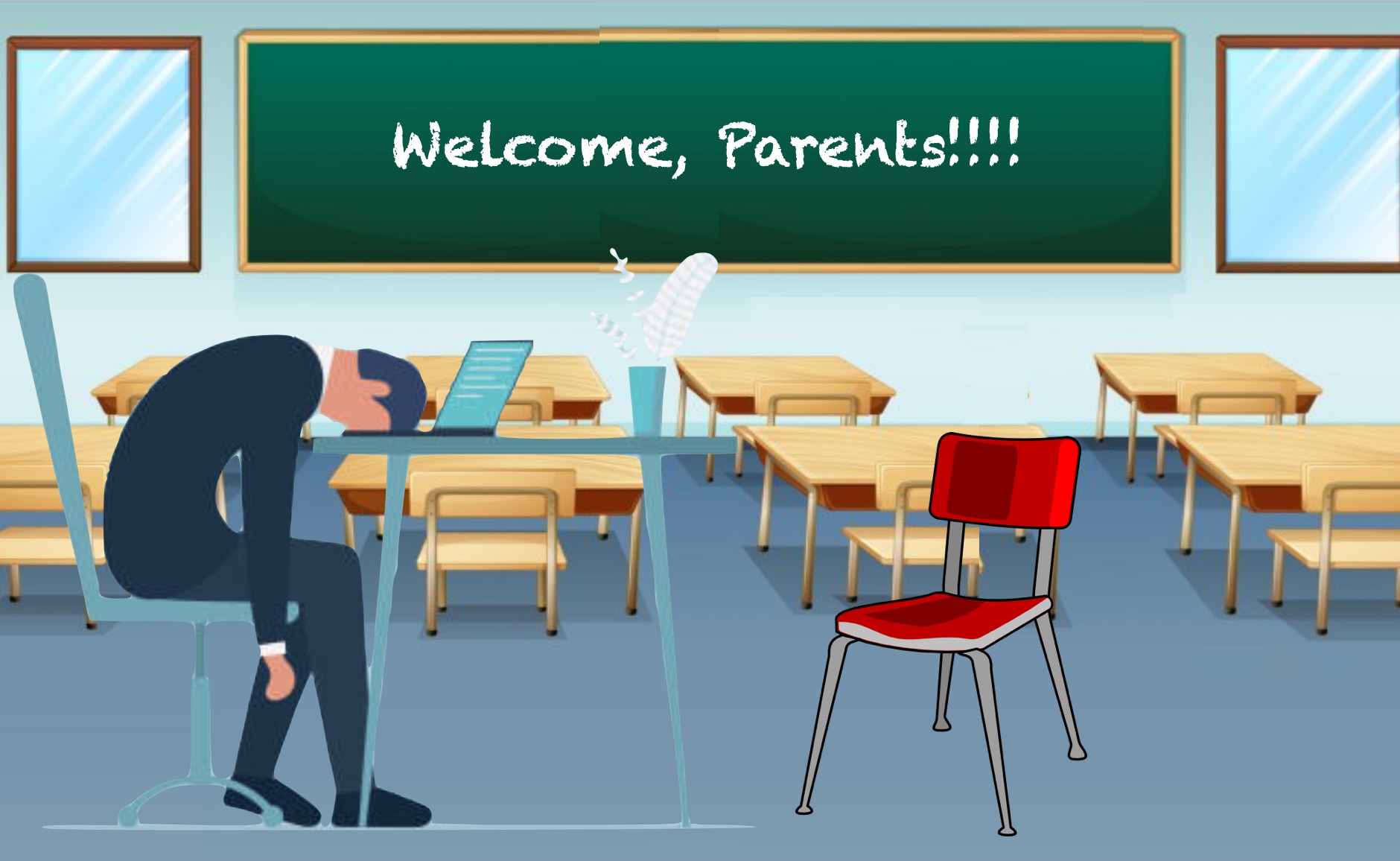
Description: We talk about missing teachers, subs, aides, bus drivers, but not parents or guardians. We should. They are absolutely essential to student learning. I think there are a lot of good reasons why parents don’t participate in their children’s schooling, but they will never get the help they need if we continue to ignore this issue and throw everything on teachers and the school.
Fun Fact: So many liberals lost their minds on this article saying I was attacking parents. I’m not. If people were drowning, you would not be attacking them by pointing that out and demanding help fishing them out of the water. It is not “deficit thinking” to acknowledge that someone needs help. It’s authentic advocacy for both students and parents.
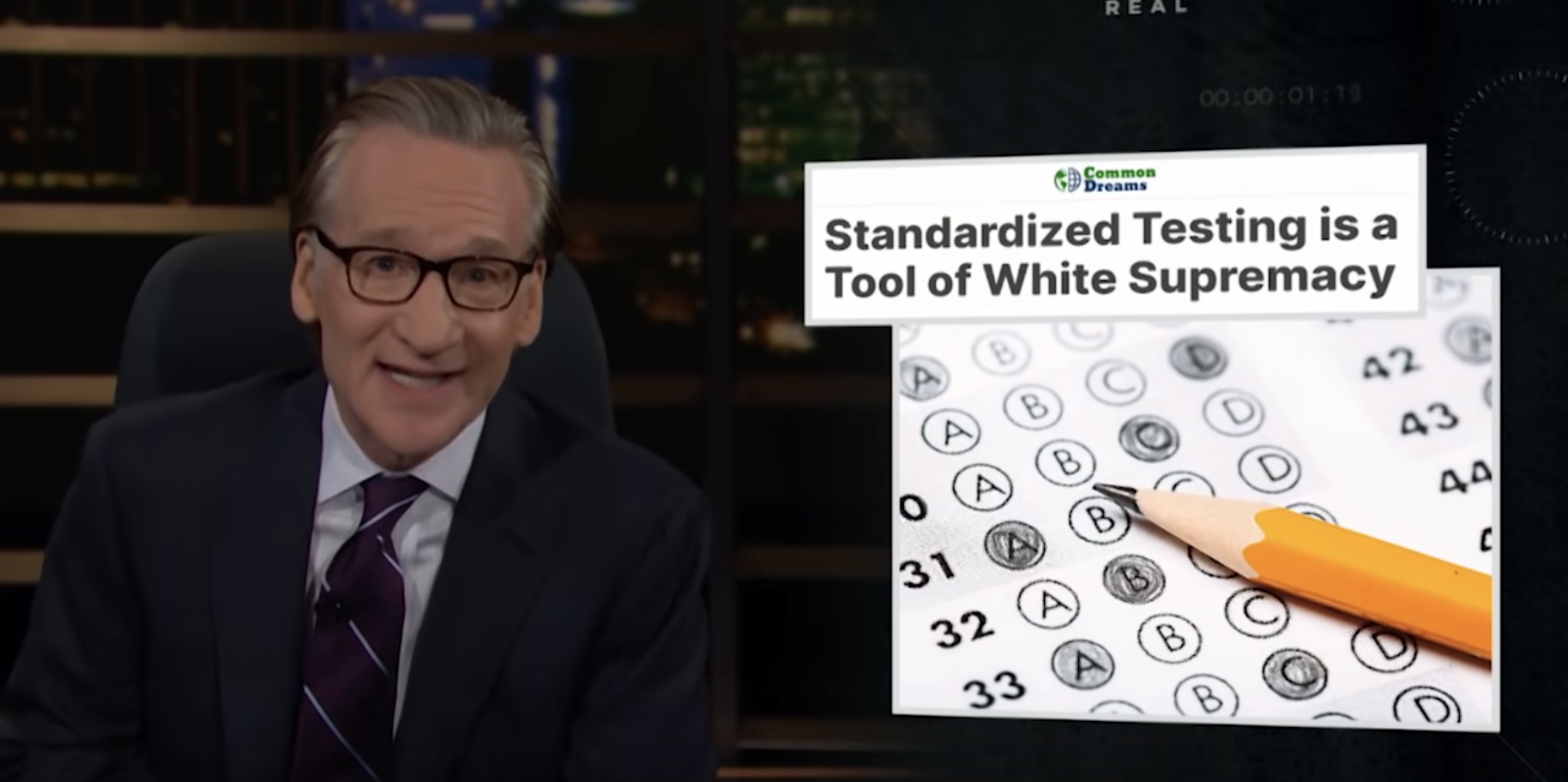
Description: It wasn’t just liberals who were butt hurt by my writing – it was neoliberals, too. Comedian Bill Maher actually mentioned my article “Standardized Testing is a Tool of White Supremacy” on his HBO show. He joked that I was devaluing the term ‘white supremacy.” Sure. These assessments only help white people unfairly maintain their collective boot on the throats of black and brown people. That’s not white supremacy. It’s melanin deficient hegemony. Happy now!?
Fun Fact: Maher’s assertion (I can’t claim it’s an argument because he never actually argued for anything) seems to be popular with neoliberals trying to counter the negative press standardized testing has been receiving lately. We need to arm against this latest corporate talking point and this article and the original give plenty of ammunition. My article was republished on Alternet and CommonDreams.org.
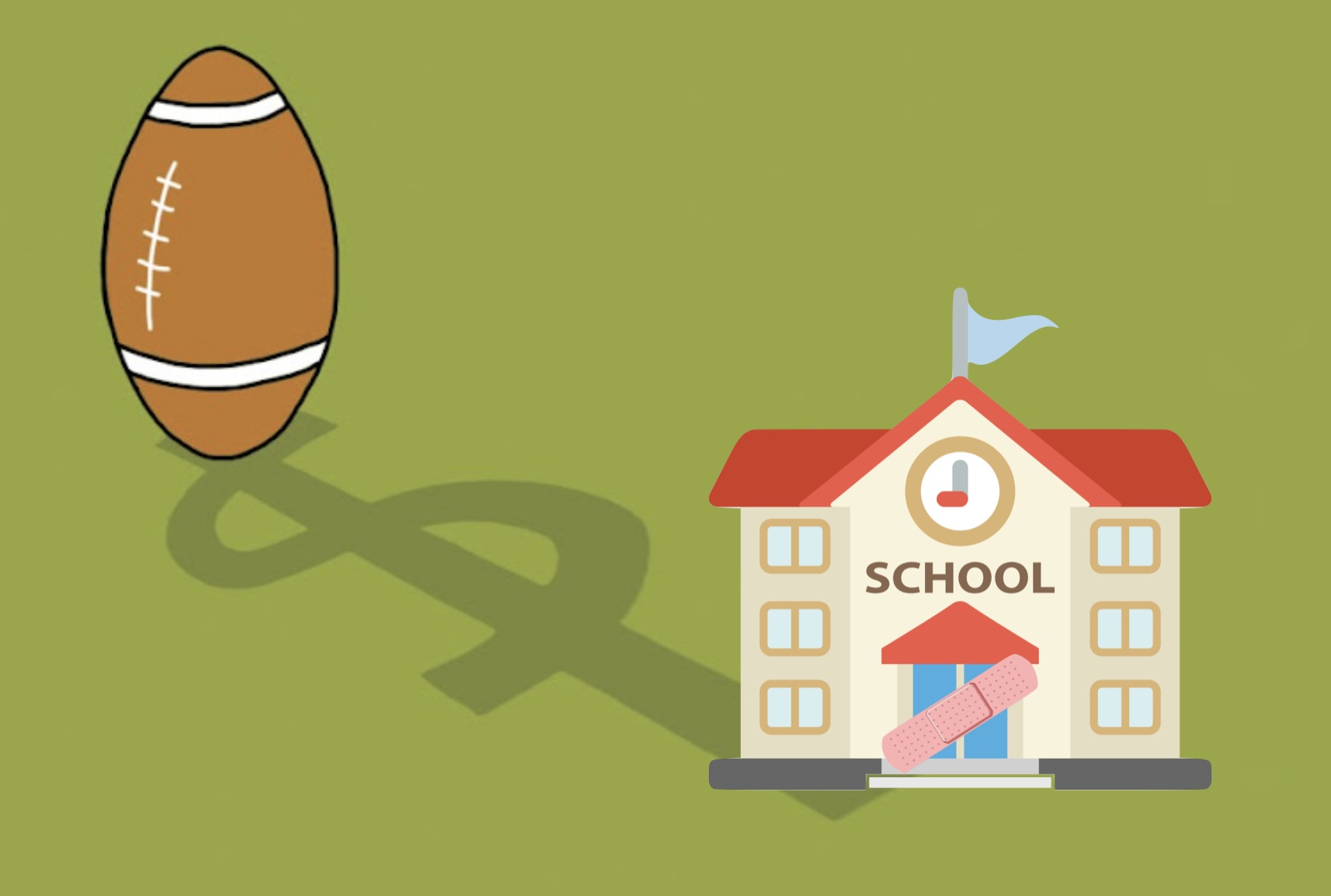
Description: Most of the world does not have competitive after school sports. Kids participate in sports through clubs – not through the schools. I suggested we might do that in the US, too. This would allow schools to use more of their budgets on learning. It would stop crucial school board decisions from being made for the athletics department at the expense of academics. It would remove litigation for serious injuries. Simple. Right?
Fun Fact: So many folks heads simply exploded at this. They thought I was saying we should do away with youth sports. No. Youth sports would still exist, just not competitive sports through the school. They thought poor kids wouldn’t be able to participate. No, sports clubs could be subsidized by the government just as they are in other countries. Some folks said there are kids who wouldn’t go to school without sports. No, that’s hyperbole. True, some kids love sports but they also love socialization, routine, feeling safe, interaction with caring adults and even learning! But I know this is a radical idea in this country, and I have no illusions that anyone is going to take me up on it.
Description: Republicans have a new racist dog whistle. They pretend white people are being taught to hate themselves by reference to a fake history of the US called Critical Race Theory. In reality, schools are teaching the tiniest fraction of the actual history of racism and Republicans need that to stop or else they won’t have any new members in a few generations. I wrote three articles about it this year from different points of view than I thought were being offered elsewhere.
Fun Fact: I’m proud of this work. It looks at the topic from the viewpoint of academic freedom, the indoctrination actually happening (often at taxpayer expense) at private and parochial schools, and the worthy goal of education at authentic public schools. Article B was republished on CommonDreams.org.
Description: I ran for office this year in western Pennsylvania. I tried for Allegheny County Council – a mid-sized position covering the City of Pittsburgh and the rest of the second largest county in the state. Ultimately, I lost, but these three articles document the effort.
Fun Fact: These articles explain why a teacher like me ran for office, how I could have helped public schools, and why it didn’t work out. Article C was republished on CommonDreams.org.
Description: These are terrifying times. In the future people may look back and wonder what happened. These two articles document how I got vaccinated against Covid-19 and my thoughts and feelings about the process, the pandemic, and life in general.
Fun Fact: It hasn’t even been a full year since I wrote these pieces but they somehow feel like they were written a million years ago. So much has changed – and so little.
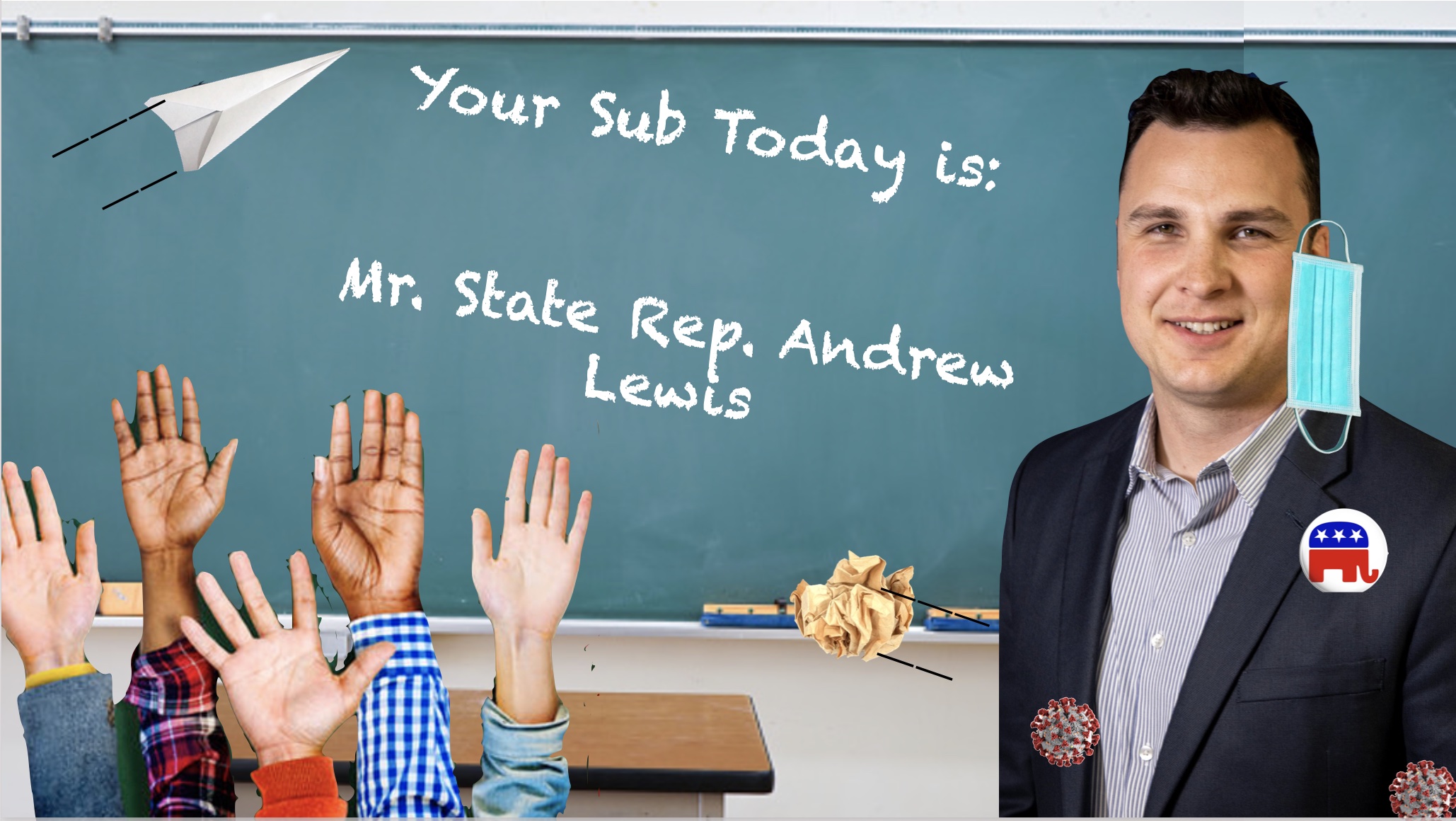
Description: Pennsylvania Republican state legislators were whining that they didn’t know what teachers were doing in public school. So they proposed a BS law demanding teachers spend even more of their never-ending time giving updates. I suggested legislators could just volunteer as subs and see for themselves.
Fun Fact: So far no Republicans have taken me up on the offer and their cute bit of performative lawmaking still hasn’t made it through Harrisburg.
Description: When it comes to stopping a global pandemic, we need federal action. This can’t be left up to the states, or the counties, or the townships or every small town. But all we get from the federal government about Covid mitigation in schools are guidelines. Stand up and do your F-ing jobs! Make some rules already, you freaking cowards!
Fun Fact: As I write this, President Joe Biden just came out and said there is no federal solution to the pandemic. It’s not that I think the other guy would have done better, but this was a softball, Joe. History will remember. If there is a history after all this is over.
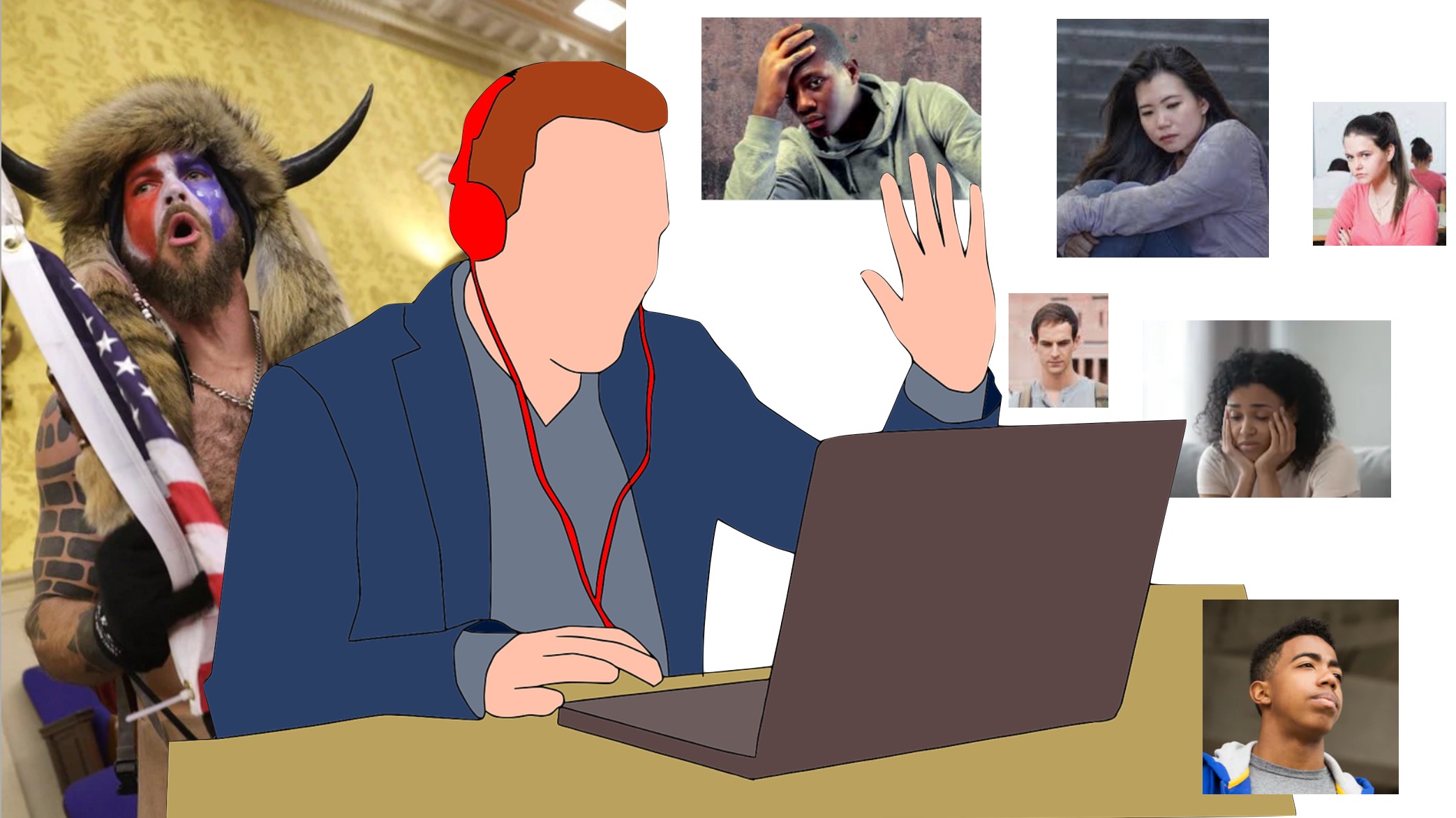
Description: On January 6, a bunch of far right traitors stormed the Capitol. This articles documents what it was like to experience that as a public school teacher with on-line classes during the pandemic.
Fun Fact: Once again, history may want to know. Posterity may have questions. At least, I hope so. The article was republished on CommonDreams.org.
Gadfly’s Other Year End Round Ups
This wasn’t the first year I’ve done a countdown of the year’s greatest hits. I usually write one counting down my most popular articles and one listing articles that I thought deserved a second look (like this one). Here are all my end of the year articles since I began my blog in 2014:
Like this post? You might want to consider becoming a Patreon subscriber. This helps me continue to keep the blog going and get on with this difficult and challenging work.
Not only that but the very land we stand on was once the domain of dark-skinned indigenous people.
People who were tricked, coerced and killed if they did not give up this land – if they did not move on to ever shrinking corners of the continent until they were almost all dead, assimilated or stashed away on reservations.
What would it do to a white child to learn all this?
Provide an accurate account of events, I suppose.
These people terrified that children will learn about racism – I don’t think it’s facts that they’re trying to deny.
I mean I’m sure they would certainly like to gloss over the ugliest atrocities committed by their ancestors, but they don’t really seem to dispute the story of conquest that makes up our founding. It’s more the way the facts are being presented.
History is written by the winners and these white people won.
That’s not what they want to hide.
It’s the TONE in which the story is told.
If we talked about the ingenuity of white people in colonizing these others, they might find that tolerable.
If we talked about how great the white people were and how bad the brown and black people were, that might be acceptable.
Even if we spun a tall tale about how subjugating these others was really in their best interests in the long run, that would be okay.
They use textbooks that frame the history of our country just like that – books from The American Christian Education group, the A Beka Book and Bob Jones University Press textbooks. A Beka publishers, in particular, report that about 9,000 schools nationwide purchase their textbooks.
So it’s not the story, it’s the way it’s told.
We can’t focus on the victims.
We can’t humanize them by looking at things from their point of view.
We can’t empathize or admit wrongdoing in any way.
In fact, that’s the problem, they say, with public schools.
That’s what they object to.
Public schools teach what it was like to live as an enslaved person. How you could be beaten and murdered with no cause. How you had no rights to anything. How your own children were likewise doomed to a life of servitude and could even be taken away from you never to be seen again.
And not just that but they’re teaching about Jim Crow. They’re teaching about how even after slavery, black people’s rights were almost nonexistent. How they were denied an education, kept in menial jobs, red-lined into ghettos, and often lynched without the slightest provocation.
When children hear about all that, they start to get ideas.
Even the white kids.
It’s not just the history of racism these children are learning, but they’re starting to think that racism is WRONG.
And that’s a problem because it has an impact on how we view the modern world today.
Because there are still black and brown people in the United States.
They make up about 40% of the population and still protest the way they’re treated.
One, we can give in to them and water down the public school curriculum until it contains nothing of any importance about our history of racial subjugation and white hegemony.
Two, we can ignore them and teach the truth.
The way I see it, the second is our only real option.
There are many reasons for this, but perhaps the most obvious is representation.
Moreover, public schools serve a large population of students of color. They certainly don’t want to be denied an accurate record of how we got to this time and place.
Public schools serve the public, and these history censors are a small minority of the whole.
Moreover, even if we gave in to them, it wouldn’t be enough.
Even if we did as these people want, it would still be up to their kids to make the same twisted conclusions as their parents. They don’t just want us to refrain from pointing in any given direction, but to stop providing counter examples and facts so their kids can’t come to an educated decision.
Like this post? You might want to consider becoming a Patreon subscriber. This helps me continue to keep the blog going and get on with this difficult and challenging work.
We need a popular, national movement demanding action from our state and federal governments. However, in the meantime, there are several things our local school districts can do to stem the tide of educators fleeing the profession.
These are simple, cheap and common sense methods to encourage teachers to stay in the classroom and weather the storm.
However, let me be clear. None of these can solve the problem, alone. And even ALL of these will not stop the long-term flight of educators from our schools without better salaries and treatment.
1) Eliminate Unnecessary Tasks
The list of tasks an average teacher is expected to accomplish every day is completely unrealistic.
Think about it. Just to get through a normal day teachers need to provide instruction, discipline students, grade papers, facilitate classwork, troubleshoot technology, provide written and verbal feedback, counsel disputes, role model correct behavior, monitor the halls, lunches, breakfasts and unstructured time, meet with co-workers, follow Individual Education Plans, scaffold lessons for different learners and learning styles…
If we truly want to help teachers feel empowered to stay in the profession, we need to reduce the burden. And the best way to do that is to eliminate everything unnecessary from their plates.
That means no staff meeting just to have a staff meeting. No shotgun scattered initiatives that teachers are expected to execute and we’ll see what will stick. No reams of paperwork. No professional development that wasn’t specifically requested by teachers or is demonstrably useful.
I’m not saying we should tell teachers they don’t have to plan what they’re doing in their classes. I’m not sure how an educator could realistically enter a classroom of students and just wing it.
However, the process of writing and handing in formal lesson plans is absolutely unnecessary.
Teachers gain nothing from writing detailed plans about what they expect to do in their classes complete with reference to Common Core Academic Standards. They gain nothing from acting as subordinates to an all knowing administrator who probably has not been trained in their curriculum nor has their classroom experience teaching it.
For educators with at least 3-5 years under their belts, formal lesson plans are nothing but an invitation to micromanagement.
Forcing teachers to set aside time from their already overburdened schedules to fill out lesson plans that administrators don’t have time to read and (frankly) probably don’t have the training or experience to fully comprehend is top down managerial madness.
3) More Planning Time
Teachers need time to plan.
It’s pathetic that I actually have to explain this.
Parents need called. Papers need graded. Lessons need strategized. IEP’s need to be read, understood and put into practice.
All this can only happen within a temporal framework. If you don’t give teachers that framework – those minutes and hours – you’re just expecting they’ll do it at home, after school or some other time that will have to be stolen from their own families, robbed from their own needs and down time.
Every administrator on the planet preaches the need for self-care, but few actually offer the time to make it a reality.
Even if we could discover exactly how much time was necessary for every teacher to get everything done in a given day – that wouldn’t be enough time. Because teachers are human beings. We need time to process, to evaluate, to think and, yes, to rest.
I know sometimes I have to stop wrestling with a problem I’m having in class because I’m getting nowhere. After two decades in the classroom I’ve learned that sometimes you have to give your brain a rest and approach a problem again later from a different vantage point.
I need to read a scholarly article or even for pleasure. I need to watch YouTube videos that may be helpful to my students. I need to get up and go for a walk, perhaps even just socialize for a moment with my coworkers.
None of that is time wasted because my brain is still working. My unconscious is still trying untie the Gordian knot of my workday and when I finally sit down to revisit the issue, I often find it looser and more easily handled.
Do not ask your teacher to sub. Do not ask them to attend meetings. Do not ask them to help you plan building wide initiatives – UNLESS you can guarantee it won’t interfere with their plans.
I know this is difficult right now with so many staff falling ill or being so plowed under that they simply can’t make it to work.
Not only will their work suffer but so will their health and willingness to continue on the job.
Some districts are finding creative ways to increase planning time such as releasing students early one day a week. We did that at my district last year and it was extremely helpful to meet all the additional duties required just to keep our building open. However, as the new school year dawned and decision makers decided to simply ignore continuing pandemic issues, this time went away.
If you take away their ability to do that, why would they stay?
4) Better Communication/ Better COVID Safety
Communication is a two way street.
You can’t have one person telling everyone else what to do and expect to have a good working relationship.
Administrators may get to make the final decision, but they need to listen to what their teachers tell them and take that into account before doing so.
This means setting aside the proper time to hear what your staff has to say.
Many administrators don’t want to do that because things can devolve into a series of complaints. But you know what? TOUGH.
It is your job to listen to those complaints and take them seriously.
Sometimes just allowing your staff to voice their concerns is helpful all in itself. Sometimes offering them space to speak sparks solutions to problems – and a whole room full of experienced, dedicated educators can solve any problem better than one or two managers locked away in the office.
However, not only do administrators need to listen, they need to speak.
When issues crop up, they need to make sure the staff is aware of what is happening.
Being a teacher should mean something to district leaders. And they should prove it in every thing they do.
The items I mentioned here go some ways to showing that respect.
Eliminating unnecessary tasks, not requiring formal lesson plans, respecting our planning time, better communicating and safety measures are all necessary to keeping your teachers in the classroom.
But they are not sufficient.
As a nation we need to change our attitude and treatment of teachers.
No profession exists without them. They create every other job that exists.
We need to start paying them accordingly. We need to start treating them as important as they are. We need to ensure that they have the time, tools and satisfaction necessary to be the best they can be.
No district can do that alone. No school director or administrator can do that.
But these are some ways you can start.
Like this post? You might want to consider becoming a Patreon subscriber. This helps me continue to keep the blog going and get on with this difficult and challenging work.
They are simply busy work – useless paper that is often filed away in the office and never seen again.
Certain kinds of principals – and we know who you are – have checklists of every teacher in the building and simply mark off your name to designate that you turned in your lesson plans like a good doggie.
But even worse are administrators who read every word and send you pages of comments asking you to change this or that so it more closely adheres to the Common Core Academic Standards. As if parroting a bunch of shoddy benchmarks made by standardized testing companies is going to have any real effect on classroom practices.
Either way it’s an exercise in futility.
Whether administrators pour over these plans or just file them away, making teachers hand them in every week has nothing to do with improving teacher effectiveness or even making us more reflective and adventurous educators. It’s about administrators justifying their own jobs.
It’s like saying, “Look what a tough principal I am! I make my teachers hand in their lesson plans. I don’t let them get away with anything!”
Here’s a dirty little secret about education – No one gets into this profession to sit behind a desk with their feet up.
If they do, they soon realize that teaching isn’t the place for them. There is so much we have to do everyday – from grading papers, to counseling students, to calling parents, to scaffolding group work, tutoring, mentoring, modeling, lunch duty, hall duty, in-school suspension – and that’s before we even begin to talk about teaching and planning!
We don’t have time to write up a detailed plan of what we think we’ll be doing in class every single day with an equally detailed justification for everything we’ll do!
Because we know we’ll never actually use it in the classroom!
The very idea of lesson plans is antithetical to 90% of classroom practice.
Teaching isn’t something you can sit back and plan and then recreate with 100% fidelity day-in, day-out.
Today we may need to go back and reteach yesterday’s lesson. Or we may have to jump right back into a discussion we were having last week. Or we may need to switch tacks and focus on something else so students can calm down or won’t get frustrated.
The reality of the classroom determines what a good educator does inside it. And this cannot accurately be guessed at from a distance of time and/or space.
Sure, as a language arts teacher I may know I want to teach vocabulary skills, or complete sentence construction, reading comprehension or anything else. I can pick out my texts and my assignments, figure out which activities would best get across the idea, what kind of practice could be useful, etc. But HOW all that comes together is more of an art than a science.
If you have to stop and justify every action for an authority figure, you’ll only do the things you already know will work – or at least the things you feel most confident that you can explain.
Your administrator may not even be trained in your discipline. How’s a gym teacher going to evaluate language arts? How’s an elementary special education teacher going to evaluate calculus?
And it’s even worse when compounded by experience – or perhaps I should say inexperience.
Most principals only taught for a handful of years before becoming administrators. And many of them haven’t even had much time to figure out how best to BE administrators.
Yet our warped work culture puts them in charge of the actual professionals in the classroom – the classroom teachers – and encourages them to disrupt the normal flow of things in the name of what? School improvement? Or parasitical management?
Principals should be focused on two things – (1) providing the best work environment for students and teachers; and (2) advocating for teachers and students. They should make sure teachers have what they need to get their jobs done effectively. And that means listening to exactly what those needs are. If those needs aren’t being met inside the district, the principal should go outside and work to get those resources brought in.
Educators don’t need you to stand in judgement of them and then brag to your superiors about being a hard ass. They need you to get them the resources necessary – time, salary, lower class size, counselors, anything really that reduces the unnecessary from a teacher’s day so she can focus on her students.
But demanding educators hand in lesson plans is just the opposite. You’re ADDING to the unnecessary work load, not reducing it.
So lesson plans are an antiquated notion that need to go the way of mimeographs, transparencies and overhead projectors.
And if you can’t figure that out, at least get out of the way.
Like this post? You might want to consider becoming a Patreon subscriber. This helps me continue to keep the blog going and get on with this difficult and challenging work.
But in each of these disasters, the majority of people thought they had somewhere to turn for knowledge and advice.
We had trusted authorities to tell us what to do, to counsel us how to handle these seemingly insurmountable disasters.
Today many of us face the Covid-19 pandemic feeling there are few sources to believe in – and that more than anything else – is why we are having such a difficult time coming together to overcome this crisis.
The media, government, science, religion – none hold a central place of confidence in most people’s lives. So when tough decisions about health and safety come into play, many of us aren’t sure what to do.
When we entered the fray, the US government organized new research initiatives targeting influenza, bacterial meningitis, bacterial pneumonia, measles, mumps, neurotropic diseases, tropical diseases and acute respiratory diseases.
And because there was an immense trust in government – after all, as a nation we had been attacked together as one at Pearl Harbor – there was enormous trust in these initiatives.
Before World War II, soldiers died more often of disease than of battle injuries. The ratio of disease-to-battle casualties was approximately 5-to-1 in the Spanish-American War and 2-to-1 in the Civil War. In World War I, we were able to reduce casualties due to disease through better sanitation efforts, but we could not protect troops from the 1918 influenza pandemic. During that outbreak, flu accounted for roughly half of US military casualties in Europe.
Much of the groundwork for innovation in vaccinations had already been laid before WWII. However, it was the organization of the war effort and the trust both the civilian and military population had in government that catapulted us ahead.
I’m not ignoring that some of this trust was misplaced. The US government has never been fully trustworthy – just ask the Asian American population forced into internment camps. However, the general feeling at the time that the government was a force for good, that we were all in this together and we all had to do our part had a vast effect on how we handled this crisis.
Today that kind of trust is gone.
In some ways that’s a good thing. It could be argued that “The Greatest Generation” put too much faith in government and the following years showed why too credulous belief in the good will of our leaders was unearned and unhealthy.
From Richard Nixon’s Watergate scandal to Bill Clinton’s sexual misconduct to George W. Bush lying us into a war of choice to Barack Obama’s neoliberalism to Donald Trump’s gross mismanagement and blatant racism – we can never go back to a WWII mentality.
Skepticism of government is kind of like seasoning. A certain amount is a good thing, but the inability to trust even government’s most basic ability to take care of its citizens and function in any meaningful way is hugely detrimental.
And this earned distrust has seeped into just about every source of possible certitude that might have helped us survive the current crisis.
The media used to be considered the fourth estate – one of the most important pillars of our society. After all, the freedom of information is essential to the free exercise of democracy.
However, the erosion of impartiality has been going on since at least the 1980s when the FCC under President Ronald Reagan abolished the Fairness Doctrine. Since 1949 this had required the media to present both sides’ of opinions. In 1987 a Democratic Congress passed a bill to reinstate the Fairness Doctrine but it was vetoed by Reagan.
This, along with the rise of talk radio and the insistence that news departments turn a profit, lead directly to the creation of more biased reporting skewed to a particular audience – Fox News and Sinclair Broadcast Group being the most prominent.
The fact that just six corporations own 90% of the media outlets in the country skew coverage to what’s in the best interests of big business. These corporations are GE, Newscorp, Disney, Viacom, Time Warner and CBS.
Finally, the loss of local newspapers and the purchase of those few that do exist by large media conglomerates further increase bias.
Few people feel they can trust the news anymore. They turn to the Internet, social media, Twitter and other sources that often are just echo chambers for what they already believe.
The irony is not lost on me that you are reading a blog by a public school teacher, not a professional journalist. But my aim is to use my experience in education to inform the debate.
It’s just too bad that I’m often forced to report the news when traditional news sources drops the ball.
Again skepticism of mass media is a good thing, but we should at least be able to count on the press as a reliable source of facts. However, these days few facts are free from bias, spin and editorial comment.
Another blunder was the guidelines on what counts as “close contact.” It went from “within 6 feet” to “within 3 feet”, and the duration went from 30 minutes consecutively to 30 minutes cumulatively. It’s not so much that the evidence changed, but that political pressure forced the CDC to lower its standards.
World scientific consensus now is that the coronavirus is capable of airborne spread without close contact between two people. Airborne droplets can linger in the air indoors and infect any number of people from one superspreading host subject.
The CDC’s advice on close contact is based on old scientific research that just isn’t as good as modern experiments.
And the organization has misjudged so much more from the importance of masking (at first they said it wasn’t important, now they say it is important), whether children can catch the virus (at first they said this was unlikely and now they admit it happens but is often asymptomatic), whether Covid spreads in schools (they used to say the limited protections in place at schools made this unlikely and now they admit it is happening), etc.
One could argue that these were simple mistakes that have changed as better science comes in. However, in each case they appear to have initially been politically motivated and justified with limited or flawed studies that could not continue to be supported as new data came in.
At first the CDC told us that masking wasn’t important not because it was true, but to hide a shortage of masks that needed to be prioritized for medical staff. These needs are understandable, but hiding the truth and then changing your messaging doesn’t engender trust.
Why do so many people refuse to have their children wear masks at school? Why is there so much vaccine hesitancy? Why anxiety about reopening plans that focus on close contacts?
The CDC owns a lot of the responsibility because it has repeatedly earned our distrust.
I think there is evidence that people need to wear masks in schools. I think we need to vaccinate as many people as possible.
But these are just bare minimums.
I think the CDC is still focusing too much on the economic impact of its guidelines when it should be solely focused on the health and safety of students, staff and the community.
This is not a time for scientists to be playing politics.
We need them to be as transparent as possible – as trustworthy as they can be.
Unfortunately, the erosion of institutional credibility at so many levels has become a cycle to itself.
At multiple levels, sources that should be bedrock have become wet sand.
The federal government has not taken enough action to keep people safe. State governments have not taken enough action – and some have even taken action to prevent safety.
Even at the local level, many school boards have cowardly refused to put in place mask or vaccine mandates.
It is the systematic breakdown of a society.
We have few places left we can trust.
And that is why we are fractured and scared.
We don’t know what to do to keep our loved ones safe.
People seem forced to choose between taking the virus seriously and ignoring it.
Many refuse to admit that it could hurt them. They think it’s just the sniffles. Few healthy people die and they discount the potential longterm effects of catching it.
In large part, it’s because we don’t know how to combat the virus because we don’t know who to trust.
And the resulting credibility vacuum has enabled unscrupulous politicians, agents of chaos and other charlatans to position themselves as experts.
When all information is equal, disinformation is king.
The solution to the pandemic may end up being easier than this riddle.
How our institutions can regain their credibility.
Especially when our politics doesn’t allow them to be honest, and fewer people are even listening to them every day.
Like this post? You might want to consider becoming a Patreon subscriber. This helps me continue to keep the blog going and get on with this difficult and challenging work.
For a few hours on Halloween it’s fine, but trying to teach middle schoolers through a piece of fabric for 8 hours a day is no one’s idea of professionalism or efficacy.
I’m not saying I want to do any of this, but we have to deal with the world as we find it.
I don’t want to have to teach during a pandemic, but that’s the world we’re living in.
That’s the world we’ve MADE.
Time to face it.
After a summer where not enough people chose to get vaccinated, Covid-19 cases are on the rise again. And now we have the new more contagious delta variant that can even infect and be spread by those who got the shot.
We had a chance to turn things around in June and July. Frankly, we blew it.
Restrictions were lifted too early. Safety precautions continued to be politicized. Folks just pretended it was over.
All we had to do was be cautious and get our Fauci ouchies.
Not enough of us did.
So here we are.
I’m going to be honest with you.
I don’t want this school year to be as bad as last year.
We were teaching remote, then in-person, then BOTH at the same time! Social distancing was erratic because there just wasn’t the space, some students were chronically absent, kids and adults got sick every week but the authorities could never seem to admit anyone might have caught the disease at school…
I watched my district and most of those around me fail at almost every level.
And just when we looked to the government for support, we were told to waste whatever class time we were able to scrap together on another meaningless standardized test.
It was a year that left me feeling blamed for things beyond my control and silenced from the decision making process.
I felt unsafe, subordinate, impotent and neglected.
Research from Education Week published this week had similar findings. According to Lora Bartlett, an associate professor of education at the University of California, Santa Cruz, 20 percent of teachers either have already left the profession or are actively seeking employment elsewhere.
Most years teaching has an 8% attraction rate, according to the U.S. Department of Education.
Educators like me are simply sick of being ignored, scapegoated, deprofessionalized and or actively obstructed from doing our jobs.
But we didn’t make this situation.
We didn’t create Covid-19. We didn’t ignore the warnings that it was coming here, we didn’t dismantle the pandemic task force, didn’t shirk our duties to put adequate safety precautions in place, didn’t make compliance entirely voluntary, didn’t prioritize economics over public health or a multitude of other things that lead us down this deep, dark rabbit hole.
We’re dealing with the situation, and frankly the rest of the country needs to do the same.
We need universal masking in schools.
Not suggestions from the Centers for Disease Control (CDC). We need government mandates, and the fact that some states have mandated exactly the opposite just goes to show that some lawmakers aren’t grown up enough to do the job for which they were elected.
Magical thinking may get you re-elected, but it could also get me and my family killed.
Time for serious solutions.
While we’re at it, we need to require vaccinations for all eligible adults and children going to school in-person. Otherwise, we can find a remote option for them.
Because if we don’t, there are only two likely alternatives – a remote option for everyone or a steady increase in Covid cases in school. The former isn’t good and the later is just not acceptable at all.
We need frequent testing to see if anyone in the building has the disease – and NO I’m not talking about contact tracing. Anecdotes from people who unequivocally have the virus about who he or she may have come into close contact with is not good enough. We need blood tests – hard data.
Speaking of which, every district should have to prove they’ve been able to adequately circulate airflow in the buildings with HEPA filters and other equipment. If they can’t, the federal government should write them a check on the spot. Make them accountable for how they spend it, and make them accountable if they DON’T get the job done.
I know, I know.
This is America and no one can tell me what to do.
Wrong.
We live in a society, not the old West.
We already have a plethora of rules people have to abide by – even list of vaccinations you already need to be enrolled in school – mumps, measles, rubella, polio, etc. Just add Covid-19 to the list.
And grow the heck up.
Too many people can’t tell the difference between fantasy and reality.
Too many people have bought the myths and legends about what it means to be an American.
We’re a country that couldn’t exist if white settlers didn’t first steal the land we’re living on from native peoples. We’re a country founded by mostly slave holders.
And that’s why you don’t have the mental acuity to deal with real problems like a global pandemic.
When this whole Covid thing began, many of us hoped when it was all over we’d have changed things for the better.
We thought they’ll have to change the old way of doing things just to survive this mess, so maybe when we put it all back together, we can put it back together better.
But the reality is, we couldn’t even figure out how to change things enough just to survive this.
I don’t want more students and staff to get sick in schools.
I don’t want us to have to go back to remote instruction.
I don’t want this school year to be as bad or worse as the last year and a half.
And I’m willing to make sacrifices to make sure these don’t happen.
I’m willing to wear a mask all day in school and require others to do so, too.
I’m willing to be vaccinated (again if necessary) and make sure everyone eligible is, too.
I’m willing to do all these things I don’t want (and more) in order to make sure worse things don’t happen.
That’s the choice we’re left with today.
And if enough people aren’t grown up enough to make it correctly, we need to make it for them.
Or else we’re all choosing to let the worst come to pass – again.
Like this post? You might want to consider becoming a Patreon subscriber. This helps me continue to keep the blog going and get on with this difficult and challenging work.
It’s absurd, like paramedics arriving at a car crash, finding one person in a pool of blood and another completely unscathed – but before they know which person needs first aid, they have to take everyone’s blood pressure.
If the only logical way to make decisions is based on test scores, you should provide those scores to the greatest decision-making body in the country: voters.
After all, student tests are designed to favor answers from privileged white people. Most of these lawmakers are the target demographic already. They passed a standardized test (or paid someone to pass the test for them) as a smokescreen getting into whichever prep school or ivy league college where they were legacy enrollments, anyway.
I’m talking about a new series of standardized tests designed to show how much these lawmakers adhere to the principles of their respective political parties.
So there’d be two versions – one for Republicans and one for Democrats.
A high score means the test taker is a bona fide example of their party’s ideals. A low score means they should probably be booted out on their butts.
For example, a question for Democrats might be:
Which policy is progressive?
A) School privatization B) Fracking on native lands C) Drone strikes D) Universal healthcare
And an example for Republicans:
Which policy is fiscally responsible?
A) School privatization B) Tax cuts for billionaires C) More unnecessary wars D) Investing in infrastructure
The answers are both D and that’s because this test would be in high De-mand! Get it?
They could say, “Vote for Sam Smith. He got an Advanced Score on the Democratic System of Statesperson Assessments (DSSA).”
Or “Don’t vote for Megan Mission. She only scored a Satisfactory on the Partnership for Assessment of Republicanism for Congress or Klan (PARCK).”
What an improvement that would be!
Finally, we wouldn’t have to rely on a politician’s voting record or campaign contributions or platform…. We could just look at the score and vote accordingly.
But who would we get to make and grade the tests?
It couldn’t be the politicians, themselves, or even their respective political parties. That wouldn’t be standardized somehow.
If we can’t let teachers create tests for their own students, we certainly can’t trust politicians to do the same for their fellow campaigners.
I guess we could task the testing corporations with making these assessments, but that’s a conflict of interests. We should instead rely on the educational experts, people with the credentials and the most experience actually giving standardized tests.
And since the teachers would get to grade the assessments, they could make sure the scores are curved so only a very limited number pass each year. We can’t have grade inflation, after all.
What would the teachers do with this money, I wonder?
And all of this just because of standardized testing!
Maybe the lawmakers have the right idea in prioritizing high stakes testing!
Or maybe they understand the value of benefiting from the testing industrial complex and not being subjected to it.
Like this post? You might want to consider becoming a Patreon subscriber. This helps me continue to keep the blog going and get on with this difficult and challenging work.
From the never ending antics of our clown President to the Coronavirus to the continuing rise of White Supremacy, it seemed you couldn’t go more than a few days without some ridiculous headline assaulting your senses.
As a result, there were a lot of worthy, important articles that fell between the cracks – more so this year than any other.
Before we charge into the New Year, it might be a good idea to spare a look over our shoulders at these vital nuggets many of us may have missed.
On my blog, alone, I’ve found at least five posts that I thought were particularly important but that didn’t get the attention they deserved.
So come with me please through this survey of the top 5 education articles (by me) that you probably missed in 2020:
Description: Kids usually spend about 1,000 hours with their teachers in a single year. During that time we build strong relationships. And though just about everyone will tell you this is important, we’re often talking about different things. Some policymakers insist we prioritize an “instrumental focus” with students using their personal information to get them to behave and do their work. The goal is compliance not autonomy or problem solving. However, increasing evidence is showing the value of a more “reciprocal focus” where students and teachers exchanged information to come to a mutual understanding and shared knowledge. Here the goal is free thought, questioning, and engagement with authority figures. I provide my own personal experience to support the latter approach.
Fun Fact: This post is full of letters my former students wrote to me during the pandemic. They highlight better than any study the value of authentic relationships to both students and their teachers.
Description: The link between standardized testing and segregation is obvious but hardly ever discussed. In short, it goes like this. Even when students from different racial or ethnic groups aren’t physically separated by district boundaries or school buildings, the way we rate and sort these students within the same space causes segregation. This is because our manner of placing kids into classes, itself, is discriminatory, unfairly resulting in more children of color in lower academic tracks and more white kids in advanced placement. If segregation is an evil, so is the standardized testing often used to place kids in remedial, academic or advanced classes.
Fun Fact: It seems to me this has immediate and important policy implications. There are so many reasons to end the failed regime of high stakes testing. This is just another one.
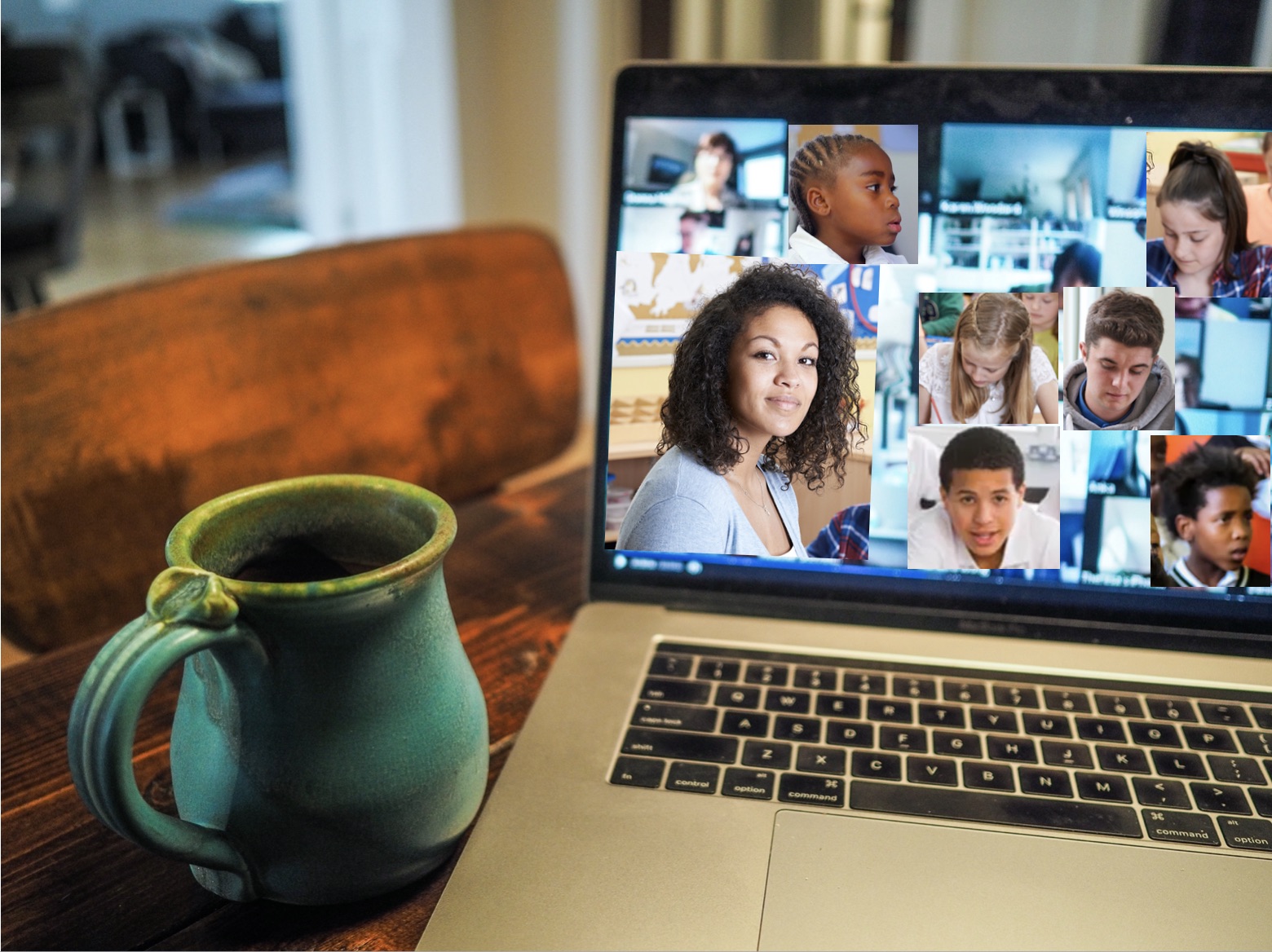
Description: Virtual instruction has been a hot button issue this year in the wake of school closings caused by the COVID-19 pandemic. The fact that in-person instruction is more effective has been used as an excuse to keep many schools open when logic, reason and facts would dictate otherwise. However, the kind of in-person instruction being offered in a pandemic is, itself, not as effective as the kind of in-person instruction offered under normal circumstances. Moreover, distance learning is not all bad. It does have some advantages such as it being generally low pressure, more difficult to disrupt class and easier to contact parents. At the same time, it presents unique challenges such as increased student absences, the problem of when and if to keep the camera on and difficulties with special needs students.
Fun Fact: We desperately need an honest accounting of what is going on with real virtual classrooms around the country and how students and teachers are meeting these challenges. If there was more discussion about how to make distance learning better, the education being provided during the pandemic would be so much more effective than spending all our time and effort trying to reopen school buildings regardless of the risks of infection to all involved.
Description: When should teachers praise students and when should they use reprimands? The research is all over the place. Some studies say praise is good but only so much and only in certain circumstances. Others say reprimands are more effective and still others caution against when and how to use them. My own experience has shown that honest praise and thoughtful reprimands are more effective than not.
Fun Fact: This may seem like a simple issue but it highlights the complexities of teaching. Educators are not working with widgets. We’re working with real, live human beings. There is no simple solution that will work every time with every student. Effective teaching takes good judgement and experience. If we ever want to improve our school system, it is vital that we understand that moving forward.
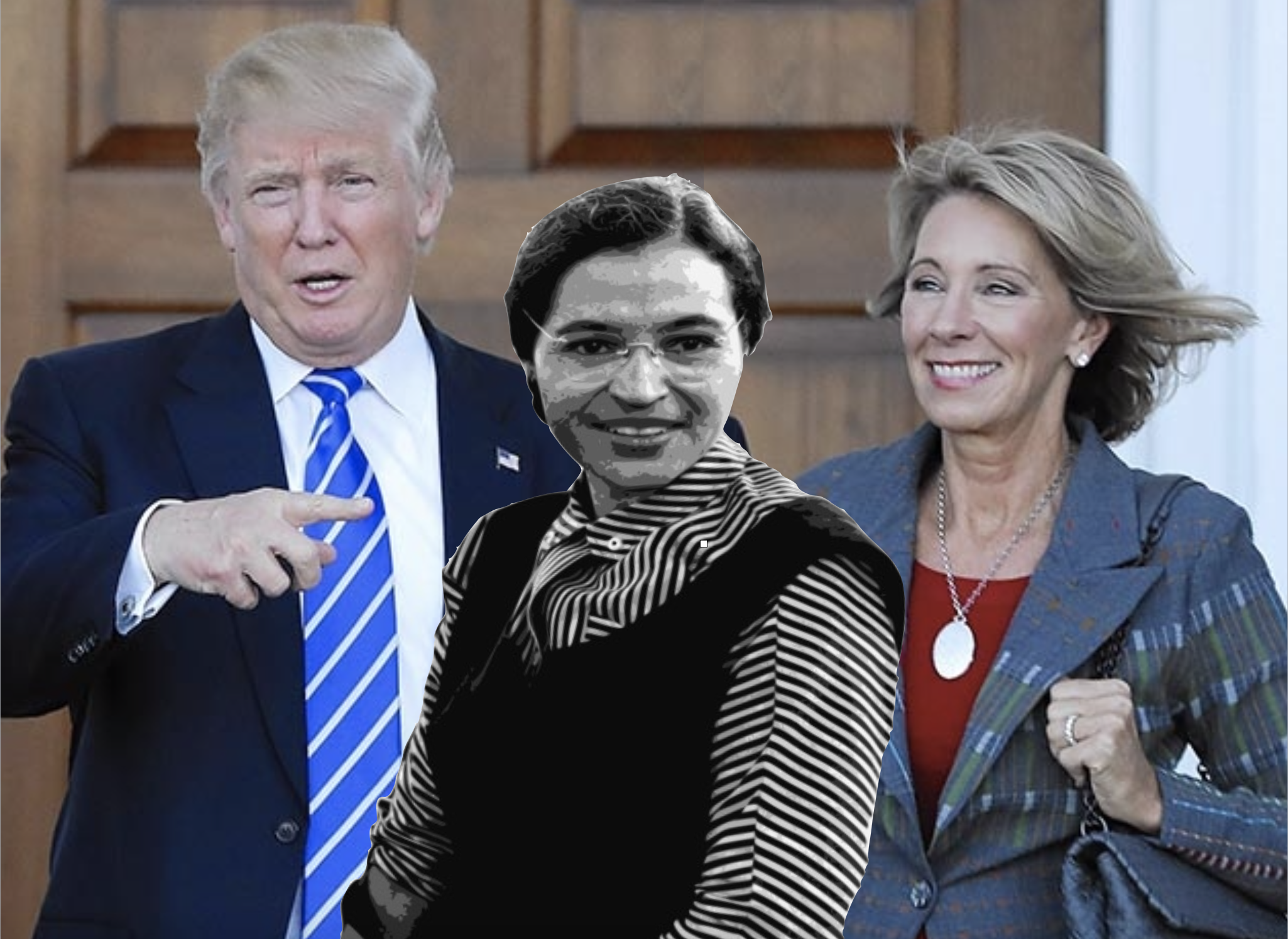
Description: Forty years after the Montgomery bus boycott that was sparked by Rosa Park’s refusal to give up her seat to a white man, the civil rights icon lent her name to a charter school proposal in 1997. However, the Detroit school that would have been named for her and her late husband, the Raymond and Rosa Parks Academy for Self Development, was never approved. In any case, Charter school advocates like to pretend this mere proposal means Parks was an early champion of charter schools and thus that school privatization is an extension of the civil rights movement. Yet a closer look at the facts shows a sadder story. At the time of the proposal, Parks was suffering from dementia and under the sway of countless corporate consultants who used her name and clout to enact several projects. It ended in a protracted legal battle after her death between her family and the consultants to whom she willed a treasure trove of civil rights artifacts.
Fun Fact: I think this is one of the most important articles I wrote in 2020. It’s not a pretty story, but it’s the truth. The school privatization movement likes to co-opt the language of the civil rights movement while violating the civil rights of students and families with substandard education and pocketing tax dollars as profit that were meant to educate children. The exploitation of Parks in this way is symptomatic of what you’ll see in any inner city charter school where entrepreneurs are getting rich off of the children of color whom they pretend to be serving.
Gadfly’s Other Year End Round Ups
This wasn’t the first year I’ve done a countdown of the year’s greatest hits. I usually write one counting down of my most popular articles and one listing articles that I thought deserved a second look (like this one). Here are all my end of the year articles since I began my blog in 2014:
Like this post? You might want to consider becoming a Patreon subscriber. This helps me continue to keep the blog going and get on with this difficult and challenging work.
Everyone is worried about how the Coronavirus pandemic is affecting children.
And it IS affecting them.
But so much worry is being wasted on the wrong things.
Instead of agonizing about kids being put in danger of infection at in-person schools where the virus is out of control, we’re told to worry about academic regression.
Instead of feeling anxiety about abandoning kids at home as outbreaks close their schools and parents still have to go in to work, we’re told to agonize over failing test scores.
In nearly every case, the reality is papered over by concern trolls clutching their pearls and demanding we point our attention away from the real dangers in favor of papier-mâché boogeymen.
It’s almost as if the rich and powerful don’t want us to solve the real problems because that would cost them money.
Stimulus checks, rent moratoriums, universal healthcare, aide to small businesses – none of that is in the interest of the one percent.
Better to persuade the rest of us it’s better to suck up our pain and that doing so is really for our own good.
And one of the ways they do it is by crying crocodile tears over our children’s academics.
Kids are falling behind, they say.
Hurry up, Kids. Get going.
You’re behind!
You have to catch up to where you would be if there hadn’t been a global pandemic!
Hurry up! We’ve got this time table and you’re falling behind! FALLING BEHIND!
I’m not saying that kids are learning today what they would have learned had COVID-19 not spread like wildfire across our shores.
But the idea that kids are not intellectually where they SHOULD be and that if we don’t do something about it now, they will be irreparably harmed – that is pure fantasy.
Moreover, kids who live in stable, loving households who don’t have to worry about where their next meal is coming from, overcoming neglect or abuse, etc. have a greater chance of being ready more quickly than those trying to manage under a heavier load of problems.
And if a child isn’t ready today, that doesn’t mean she’ll never be ready.
The mind does not take ultimatums. You don’t have to fill up every shelf as soon as space becomes available. In fact, you could never fill it all up if you tried. There’s always more room – just maybe not right now.
If a child doesn’t learn a certain concept or skill as soon as he or she is ready for it, that doesn’t mean he or she will lose out on that opportunity.
Brains are flexible. They’re almost always ready to grasp SOMETHING. It’s just not up to society what those somethings are or when they’re achievable.
That’s why Common Core Academic Standards were such a failure. They tried to map what schools teach like a train schedule, and then blamed educators when children’s brains didn’t match up with corporate expectations.
Policymakers rarely have actual education degrees. In fact, many of them have never taught a day in their lives – especially at the K-12 level.
For example, Teach for America takes graduates from other fields of study (often business), gives them a couple weeks crash course in basic schoolology before throwing them in the classroom for a few years. Then they leave pretending to know everything there is about education, ready to advise lawmakers, work at think tanks, or otherwise set policy.
We know that learning is best achieved when a person’s foundational necessities are met. At base are physiological prerequisites like food, clothing and shelter as well as the need for safety and security. Then comes psychological requirements like relationships and self-worth. Once all these primary needs have been met, we can most effectively achieve academic goals.
Children’s physiological needs aren’t being met because their parents livelihoods are in jeopardy. And the very idea that children should be sheltered or kept safe is mocked by the economy first concern trolls demanding parents choose between their children or their jobs.
They pretend to care about our kids so they can get us to do the very things that undermine our children’s safety. And it’s all somehow for our own good.
You want to fix the problem, nothing short of ending the crisis ultimately will work.
We can mitigate the damage, but marching kids into the classroom – sending them into a dangerous situation where they may get sick and (even more likely) bring the virus home to friends and family – will not help anyone.
Schools are not daycare centers. In fact, we shouldn’t have to resort to daycare centers, either, when faced with a deadly airborne virus.
Parents should be allowed (and encouraged!) to stay home and take care of their own kids. We should literally pay them to do so!
The media mogul marketeers would be wise to fear the lessons this generation is learning about the gullibility of adults and the willingness of the ruling class to sacrifice the common folk.
But even though much of the curriculum in 2020 has been unscripted, our schools still function.
No, it will never be comparable to the quality of instruction you can provide in-person. But even the quality of in-person instruction is not the same during a pandemic. Hybrid models with necessary precautions of social distancing and mask wearing are, themselves, substandard.
The best that we can do in most cases is learning at a distance.
Will all kids respond?
Absolutely not.
They’ll do the best they can. And this will largely depend on the environmental factors in their homes.
Kids are just that – kids. They need adults to put them on a schedule, make sure they wake up on time, have breakfast, and hold them accountable for attending their classes – even if those classes are held on-line.
That’s something else the marketeers don’t understand. Most of the problems of Covid America aren’t that different from Pre-Covid America. It’s a matter of degree.
The problem is systemic. You can only solve it by changing the system, itself.
A system that places dollars and cents over life and health will never be acceptable. And that’s what we’ve got. Still.
So don’t buy the latest version of corporate school baloney.
Our children aren’t falling behind.
They’re surviving a pandemic.
Fix the problem and they’ll be fine.
Fix the system and they’ll THRIVE.
But beware of know nothing policymakers who don’t have our best interests at heart.
Pay them no mind and the only thing left behind will be them.
Like this post? You might want to consider becoming a Patreon subscriber. This helps me continue to keep the blog going and get on with this difficult and challenging work.






















 gadflyonthewallblog