At least I have time to grade some papers and call some parents and plan out how my next few lessons will fit into each other to form a coherent whole.
Which seems to be the norm in the physical school building these days.
You need to understand something.
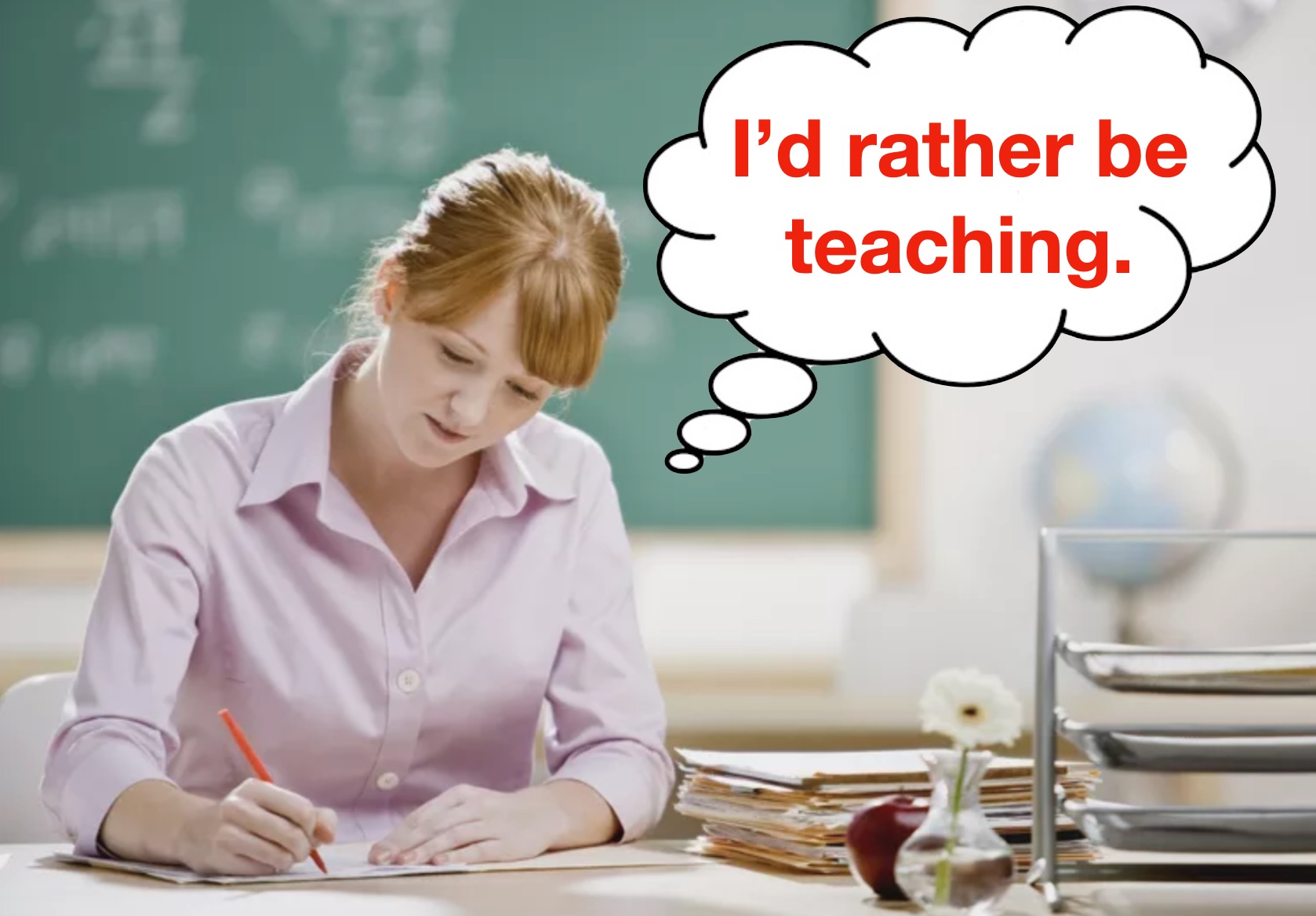
Every time you take away a teacher’s planning period – whether it be to cover an IEP meeting, use a teacher as a security guard in the cafeteria, sending someone to a training or otherwise – you are reducing the quality of instruction that teacher is able to provide that day.
And if you do it for long enough, you can no longer fairly judge that teacher’s annual performance by the same expectations you would have under normal conditions.
You need to put an asterisk next to her name for the year.
Meaning this isn’t the best she could do, but this is the best she could do WITHOUT HER PLAN.
Imagine an actor going on stage without having the chance to practice the play? Imagine an athlete playing in the championship game without having the chance to warm up or watch tape. Imagine a pilot flying your plane without being able to contact the air traffic controller or plan the route from one airport to another.
In fact, if most other professionals working under these conditions were able to pull out something even passable, we’d celebrate them as prodigies.
Wow! Did you see Denzel in Hamlet? He didn’t even have a chance to practice! He just did the whole play from memory!
Oh! And when Brady threw that touchdown pass! He wasn’t even warmed up! He rushed right from his car to the field – and he wasn’t even at training camp all week!
But I know what the excuse will be: this is unavoidable.
There are just too many absences and not enough subs. And to an extent that’s true.
However, what are you doing to alleviate that situation?
Have you reached out to local colleges to find teaching students who would relish the experience of subbing? Have you reached out to retired teachers looking for extra pay? Have you lobbied the school board and the legislature for more money to pay subs and teachers?
Have you done everything you can to support the health and well-being of your staff so that fewer need to take off? Have you cut all unnecessary tasks like formal lesson plans, stopped holding staff meetings unless an urgent need presents itself, refrained from new and unproven initiatives, cut duties where possible to increase teacher planning time?
If not, then don’t talk to me about inevitability. You have contributed to it.
The people who are left want to be in the classroom because we love teaching. However, with all the nonsense heaped on our shoulders, the job has become less-and-less about that and more preoccupied with ancillary concerns – paperwork, endless meetings where nothing gets done, useless trainings so some corporation can get paid, and outright babysitting.
When you take away our planning periods, we can’t do our best for our students. And that’s why we’re here! To give our best!
When you take that away from us, you take away a lot of the satisfaction of the job.
No one devotes their life to something to do it half-assed.
Quality of instruction is not an excuse for us. It’s not a cudgel or a catchphrase or a policy decision.
Like this post? You might want to consider becoming a Patreon subscriber. This helps me continue to keep the blog going and get on with this difficult and challenging work.
It was 8:30 am and nearly all of my students were in class.
Or technically none of them were.
It all depends on how you look at it.
This was a remote teaching day, after all, and the classROOM was empty somewhere across town.
My middle schoolers and I were all snug in our various homes communicating with each other via Zoom. But through the magic of the Internet, we were all together in one place and ready to get started.
It was surprising because on most days of in-person learning it takes at least 30 to 40 minutes in the morning for students to stumble in.
But today it just took a click of the mouse.
Not only that but we were awake, and chatting, and happy to be together!
“Hey, Rian! Nice to see you!” I said as I clicked in a student.
“Morning, Mr. Singer. Did you have a nice weekend?” she responded.
“You bet. You all staying warm out there?”
“Nah. I made a snowman with my little brothers. But it was fun.”
“I’m so excited!” another student offered. “My mom just had an ultrasound of her new baby. She says its nose looks just like mine.”
“That’s fantastic,” I said.
“Yeah. I’m going to be the oldest. There will be 12 years between us.”
Who were these children and what had they done with my students?
This is not what I had come to expect of students on-line.
Through the pandemic, the last two years of on-and-off remote learning were a slog. Most days getting students to respond verbally was like pulling teeth. They’d hide behind screensavers, their cameras off and for all I knew they could be on Mars.
Admittedly today the screensavers were still in place, but the ebullient chatter was like something you’d hear… well… in school!
In the physical classroom some of my kids might engage in this kind of banter. But not before 9 or 10 am!
My language arts students and I went over the homework and the kids even volunteered to read the directions and attempted the questions about prepositional phrases and appositives.
And then we discussed those questions together in a virtual Socratic Seminar.
These are all things I’d done before in previous years with remote students. But it never came off like today.
They put up hand raising emojis to indicate they wanted to speak and gave some of the most thoughtful comments I’d heard from them all year.
They talked about the main character, Ponyboy, and his responsibility to save some kids from a burning church. And others argued that he had no responsibility – it was the adults who should have watched the kids more closely. Or they argued that Ponyboy losing his life wouldn’t have helped the trapped kids any. Or they argued that it didn’t matter whether they saved the kids but whether they were willing to put more good into the world by trying…
I was astonished. We laughed. We pondered. It was a lot of fun.
How did this happen on-line?
I think it was a combination of several factors.
First, this was a high interest lesson of a high interest text.
We’d all watched in fear as COVID-19 spread through the district like wildfire.
All last week students and staff had steadily been going missing.
We got phone messages daily telling us how many people had tested positive but not who they were or how many additional folks had been quarantined because of close contacts.
Even several administrators and our building principal mysteriously vanished, and with them so did some of the secrecy.
One of my students was removed from class with an apparent positive test and the next day students were called to the office in ones and twos not to be seen again. Until the rooms were nearly empty.
On Friday, my last class of usually 20 had been whittled down to four.
And of those left was a child who sniffled and coughed complaining that his mom wouldn’t let him go anywhere after school until he had a negative COVID test.
So when they finally announced we were going to remote this week, the dominant feeling I had was relief.
I just wasn’t the only one.
No one wants to catch this thing.
You don’t know whether it’s going to manifest as a week-long cold, symptoms that last for months, a stay at the hospital or worse.
And don’t tell me kids aren’t affected. They may not often get as sick as adults, but they’ve seen the impact of this disease on others.
I hope the administrators who’ve been out sick understand it.
Because they’re going to be back soon, and then it won’t just be a battle with COVID.
It will be a battle of egos, too.
Like this post? You might want to consider becoming a Patreon subscriber. This helps me continue to keep the blog going and get on with this difficult and challenging work.
Sometimes you can only tell by the vanishing students and teachers or the everyday need to sub for staff members mysteriously absent for days or weeks in a row.
“We have learned that two High School students, two High School staff members, three Middle School students, six Elementary students and one Elementary staff member have tested positive for COVID-19. Close contacts have been identified and notified. Thank you.”
What does it all mean?
One thing’s for sure – we aren’t taking this pandemic very seriously.
Judging by the emails in the last week and a half, alone, there have been at least 60 people in my small western Pennsylvania district who tested positive for Covid. That’s 17 in the high school (10 students and 7 staff), 22 in the middle school (17 students and 5 staff), and 21 in the elementary schools (16 students and 5 staff). And this doesn’t include close contacts.
However, with the new CDC guidelines that people who test positive only need to quarantine for 5 days, some of these people are probably back at school already. Though it is almost certain they will be replaced by more people testing positive today.
I have a student who just came back a day ago who’s coughing and sneezing in the back of the room with no mask. And there’s not a thing I can do – except spray Lysol all over his seating area once he leaves.
Don’t get me wrong. I hated teaching remotely on and off during the last few years. But safety is more important to me than being as effective as I can possibly be.
When the Titanic is sinking, you get in the life boats and don’t worry that doing so might mean you won’t dock on time.
Somewhere along the line in the past few years we’ve come to accept the unacceptable:
–We’re not in this together.
–I don’t have your back. You don’t have mine.
–When it comes to a disease like Covid – you’re on your own.
Like this post? You might want to consider becoming a Patreon subscriber. This helps me continue to keep the blog going and get on with this difficult and challenging work.
Here are some things for school directors and administrators to consider:
–If you don’t require all students and staff to wear masks – don’t blame teachers.
–If you don’t regularly test students and staff for Covid – don’t blame teachers.
–If you don’t require all students and staff to be vaccinated – don’t blame teachers.
–If your classrooms are not well ventilated – don’t blame teachers.
–If you force staff to come into the building for professional development and don’t allow them to attend remotely – don’t blame teachers.
–If you don’t provide K95 masks to all students and staff – don’t blame teachers.
–If you didn’t devise a schedule to keep students socially distanced – don’t blame teachers.
–If you don’t deep clean each classroom and other student spaces between classes – don’t blame teachers.
–If you don’t have lunches outdoors or in some other extremely well-ventilated space – don’t blame teachers.
–If you don’t require a negative Covid test before sick students or staff can return to school – don’t blame teachers.
–If students and staff have steadily been getting sick for weeks and you’ve done nothing to prepare – Don’t Blame Teachers.
–In short, if you haven’t done everything you can do to prevent an outbreak sweeping through your school and your community – DON’T. BLAME. TEACHERS.
BLAME YOURSELF.
Like this post? You might want to consider becoming a Patreon subscriber. This helps me continue to keep the blog going and get on with this difficult and challenging work.
The most popular topic people wanted to read about on my blog this year has been how teachers are dealing with the Covid-19 pandemic.
In short, it’s a mess.
We’re struggling big time.
In the media, they call it a teacher shortage, but it’s really an Exodus away from the profession for educators who are fed up with being treated like crap.
But that’s not the only thing I wrote about in 2021.
At this point in my career with everything crumbling around me, I have no more F’s to give.
I’m laying it all out straight. And this is from a blogger who has often been criticized for not holding anything back BEFORE!
Now I am pointing out all the elephants in the room.
Some of these articles are not for the faint of heart.
If you’re tired of being polite and ignoring all the flaming dumpster fires that well behaved teachers aren’t supposed to mention, then you might enjoy some of these stories.
Description: The title says it all. Stop wasting teachers’ time by making us fill out paperwork that won’t help us do our jobs but will make administrators and principals look good. We make our own plans for ourselves. We don’t need to share with you a bunch of BS with Common Core nonsense and step-by-step blah-blah that will probably have to change in the heat of the moment anyway.
Fun Fact: Teachers in my building rarely say anything to me about my blog. But I got some serious appreciation on my home turf for this one.
Description: We talk about missing teachers, subs, aides, bus drivers, but not parents or guardians. We should. They are absolutely essential to student learning. I think there are a lot of good reasons why parents don’t participate in their children’s schooling, but they will never get the help they need if we continue to ignore this issue and throw everything on teachers and the school.
Fun Fact: So many liberals lost their minds on this article saying I was attacking parents. I’m not. If people were drowning, you would not be attacking them by pointing that out and demanding help fishing them out of the water. It is not “deficit thinking” to acknowledge that someone needs help. It’s authentic advocacy for both students and parents.
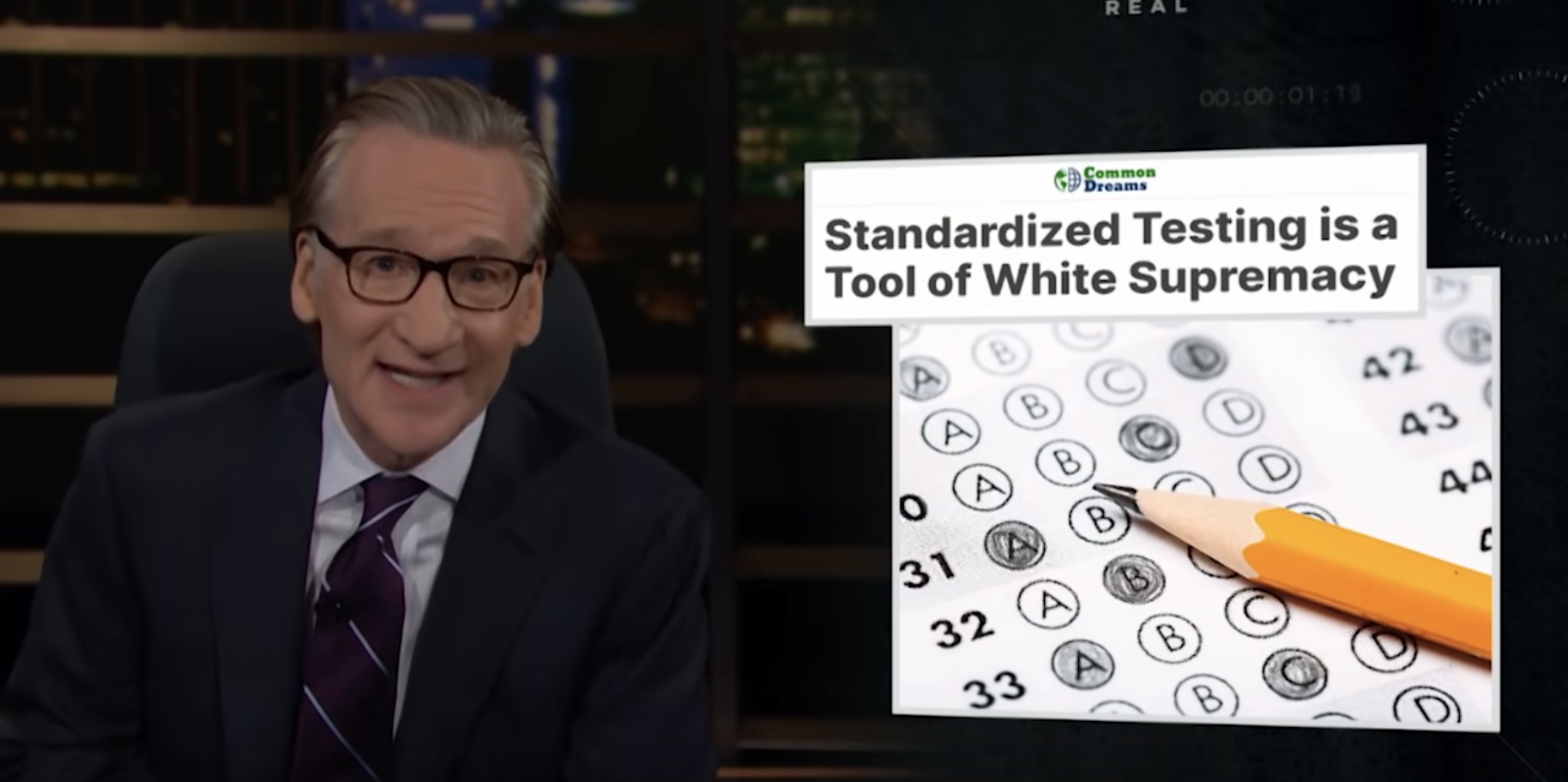
Description: It wasn’t just liberals who were butt hurt by my writing – it was neoliberals, too. Comedian Bill Maher actually mentioned my article “Standardized Testing is a Tool of White Supremacy” on his HBO show. He joked that I was devaluing the term ‘white supremacy.” Sure. These assessments only help white people unfairly maintain their collective boot on the throats of black and brown people. That’s not white supremacy. It’s melanin deficient hegemony. Happy now!?
Fun Fact: Maher’s assertion (I can’t claim it’s an argument because he never actually argued for anything) seems to be popular with neoliberals trying to counter the negative press standardized testing has been receiving lately. We need to arm against this latest corporate talking point and this article and the original give plenty of ammunition. My article was republished on Alternet and CommonDreams.org.
Description: Most of the world does not have competitive after school sports. Kids participate in sports through clubs – not through the schools. I suggested we might do that in the US, too. This would allow schools to use more of their budgets on learning. It would stop crucial school board decisions from being made for the athletics department at the expense of academics. It would remove litigation for serious injuries. Simple. Right?
Fun Fact: So many folks heads simply exploded at this. They thought I was saying we should do away with youth sports. No. Youth sports would still exist, just not competitive sports through the school. They thought poor kids wouldn’t be able to participate. No, sports clubs could be subsidized by the government just as they are in other countries. Some folks said there are kids who wouldn’t go to school without sports. No, that’s hyperbole. True, some kids love sports but they also love socialization, routine, feeling safe, interaction with caring adults and even learning! But I know this is a radical idea in this country, and I have no illusions that anyone is going to take me up on it.
Description: Republicans have a new racist dog whistle. They pretend white people are being taught to hate themselves by reference to a fake history of the US called Critical Race Theory. In reality, schools are teaching the tiniest fraction of the actual history of racism and Republicans need that to stop or else they won’t have any new members in a few generations. I wrote three articles about it this year from different points of view than I thought were being offered elsewhere.
Fun Fact: I’m proud of this work. It looks at the topic from the viewpoint of academic freedom, the indoctrination actually happening (often at taxpayer expense) at private and parochial schools, and the worthy goal of education at authentic public schools. Article B was republished on CommonDreams.org.
Description: I ran for office this year in western Pennsylvania. I tried for Allegheny County Council – a mid-sized position covering the City of Pittsburgh and the rest of the second largest county in the state. Ultimately, I lost, but these three articles document the effort.
Fun Fact: These articles explain why a teacher like me ran for office, how I could have helped public schools, and why it didn’t work out. Article C was republished on CommonDreams.org.
Description: These are terrifying times. In the future people may look back and wonder what happened. These two articles document how I got vaccinated against Covid-19 and my thoughts and feelings about the process, the pandemic, and life in general.
Fun Fact: It hasn’t even been a full year since I wrote these pieces but they somehow feel like they were written a million years ago. So much has changed – and so little.
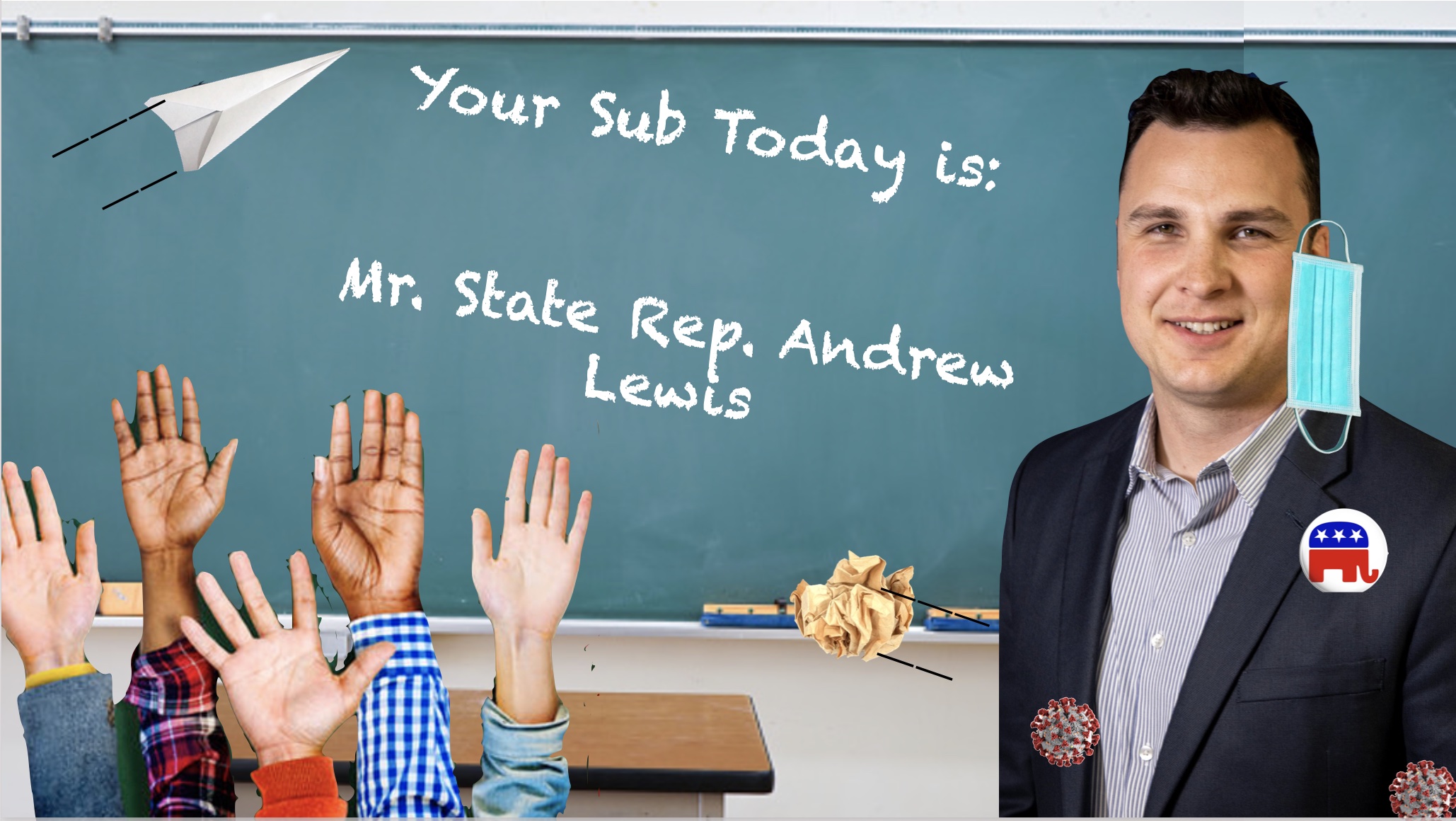
Description: Pennsylvania Republican state legislators were whining that they didn’t know what teachers were doing in public school. So they proposed a BS law demanding teachers spend even more of their never-ending time giving updates. I suggested legislators could just volunteer as subs and see for themselves.
Fun Fact: So far no Republicans have taken me up on the offer and their cute bit of performative lawmaking still hasn’t made it through Harrisburg.
Description: When it comes to stopping a global pandemic, we need federal action. This can’t be left up to the states, or the counties, or the townships or every small town. But all we get from the federal government about Covid mitigation in schools are guidelines. Stand up and do your F-ing jobs! Make some rules already, you freaking cowards!
Fun Fact: As I write this, President Joe Biden just came out and said there is no federal solution to the pandemic. It’s not that I think the other guy would have done better, but this was a softball, Joe. History will remember. If there is a history after all this is over.
Description: On January 6, a bunch of far right traitors stormed the Capitol. This articles documents what it was like to experience that as a public school teacher with on-line classes during the pandemic.
Fun Fact: Once again, history may want to know. Posterity may have questions. At least, I hope so. The article was republished on CommonDreams.org.
Gadfly’s Other Year End Round Ups
This wasn’t the first year I’ve done a countdown of the year’s greatest hits. I usually write one counting down my most popular articles and one listing articles that I thought deserved a second look (like this one). Here are all my end of the year articles since I began my blog in 2014:
Like this post? You might want to consider becoming a Patreon subscriber. This helps me continue to keep the blog going and get on with this difficult and challenging work.
I see Mrs. K is still out. She was sobbing in the faculty room last week. Wonder what that was about.
Rumor has it Mr. C was rushed to the nurse to have his blood pressure taken after his face turned beet red in the middle of his last class yesterday. Not a shock that he’s missing.
My eyes pour down the names of absent teachers and present substitutes only to find the one I’m dreading – my own.
I’m expected to sub for Mrs. D’s 8th period – again.
Great.
Too many kids I barely know stuffed into a tiny room. Last time there was almost a fight. Will they even listen to me this time?
I have my own classes. I shouldn’t have to do this.
But that’s exactly what’s expected of teachers these days.
If your colleagues are absent and there aren’t enough subs, you have no choice. You have to fill in somewhere.
Normally, I wouldn’t mind all that much. After all, I AM being paid for doing the extra work. But day-after-day, week-after-week, for months on end – it’s exhausting.
It’s not my responsibility to make sure every room in the building is covered.
I never applied to fix the district’s supply and demand issues.
It makes it harder to do my own work. Beyond the increased stress of being plopped into a situation you know nothing about, subbing means losing my daily 40-minute planning period.
Grading student work, crafting lessons, reading IEPs, doing paperwork, making copies, filling out behavior sheets, contacting parents, keeping up with Google Classroom and other technologies and multi-media – one period a day is not nearly enough time for it all.
And now I don’t even get that! If I’m going to do even the most basic things to keep my head above water, I have to find the time somewhere – usually by stealing it from my own family.
Even under normal circumstances I routinely have to do that just to get the job done. But now I have to sacrifice even more!
I’ll be honest. I often end up just putting off the most nonessential things until I get around to them.
This month, alone, I’ve only had four days I didn’t have to sub. That’s just four planning periods to get all the groundwork done – about one period a week. Not even enough time to just email parents an update on their children’s grades. So little time that yesterday when I actually had a plan, there was so much to do I nearly fell over.
When I frantically ran to the copier and miraculously found no one using it, I breathed a sigh of relief. But it turned into a cry of pain when the thing ran out of staples and jammed almost immediately.
I didn’t have time for this.
I don’t have time for things to work out perfectly!
So like most teachers after being confronted with the call-off sheet for long enough, that, itself, becomes a reason for me to call off.
I am only human.
I figure that I might be able to do my own work today, but I’m just too beat to take on anyone else’s, too.
Some days I get home from work and I have to spend an hour or two in bed before I can even move.
I’ve had more trips to the emergency room, doctor’s visits, medical procedures and new prescriptions the beginning of this year than any other time I’ve been teaching.
It’s a problem of exploitation and normalization.
Exploitation is when you treat someone unfairly for your own benefit.
The way we mishandle call-offs is a case in point.
When so many educators are absent each day, that’s not an accident. It’s the symptom of a problem – burn out.
We’ve relied on teachers to keep the system running for so many years, it’s about to collapse. And the pandemic has only made things worse.
We piled on so many extra duties – online teaching, hybrid learning, ever changing safety precautions – these became the proverbial straw that broke educators’ backs.
And now we’re screaming in pain and frustration that we can’t go on like this anymore. That’s what the call-off sheet means. It’s a message – a cry for help. But few administrators allow themselves to see it.
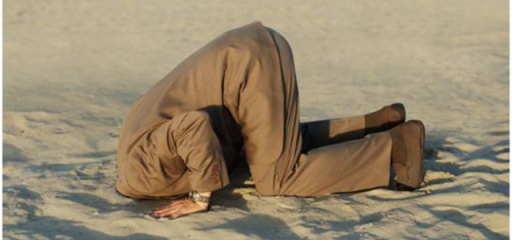
They won’t even admit there is a problem.
I can’t tell you how many times I’ve heard principals and administrators talk about the call-off sheet like it’s an act of God or a force of nature like a flood or a tornado.
No! This wasn’t unpredictable! This didn’t just happen! It’s your fault!
If there have been a high number of call-offs nearly every day for the past few weeks, it’s not a freak of nature when it happens again today! Administrators are responsible for anticipating that and finding a solution.
This is not a situation where our school leaders are helpless.
There are things they can do to alleviate this situation – reducing nonessential tasks, eliminating unnecessary paperwork, refraining from excess staff meetings, forgoing new initiatives, letting teachers work from home on professional development days – anything to give us a break and an opportunity to heal from the years of overburdening.
It’s taking a bad situation and redefining it as usual, typical and expected.
It’s like saying “This is the way things are now. This is school. This is our new baseline.”
However, it is not sustainable!
We cannot continue to apply the old model of public schooling to the problems we have today. It didn’t work before the pandemic and now it is frayed to the breaking point.
When the first wave of Covid-19 washed over us and many schools went to online learning, leaders promised we’d rebuild back better when they finally reopened.
This was the perfect chance, they said, to change, to reform the things that weren’t working and do all the positive things we’d wanted to do for years.
Even at the time I thought it was rather optimistic to the point of naivety. Time has proven me correct.
Since schools have reopened, there has been no rebuilding back better. We’ve been forced to accept things worse.
Teachers were already trickling away from the profession before Covid-19 was even discovered. Now they’re running away in droves.
Like this post? You might want to consider becoming a Patreon subscriber. This helps me continue to keep the blog going and get on with this difficult and challenging work.
According to the American Counseling Association, this is sometimes called the “cost of caring” and can result from “hearing [people’s] trauma stories and becom[ing] witnesses to the pain, fear, and terror that trauma survivors have endured.”
The brain emits a fear response releasing cortisol and adrenaline which, in turn, increases heart rate, blood pressure, and respiration, followed by a rush of emotions.
The biological response can display itself in mental symptoms such as anger, headaches, or even physical ones like missing staff meetings, lateness to work or avoiding certain students or situations.
“Being a teacher is a stressful enough job, but teachers are now responsible for a lot more things than just providing education,” says LeAnn Keck, a manager at Trauma Smart, an organization that helps children and adults navigate trauma.
“It seems like teachers have in some ways become case workers. They get to know about their students’ lives and the needs of their families, and with that can come secondary trauma.”
This is an aspect of the job for which most teachers are unprepared.
According to a 2020 survey by the New York Life Foundation and American Federation of Teachers, only 15% of teachers felt comfortable addressing grief or trauma.
When I first entered the field two decades ago, I was taught how to design lessons, sequence curriculum, manage classes, calculate grades, etc. Never once did anyone mention that I would be standing between a hurting child and a world he is desperately trying to lash out against.
Most teachers aren’t taught how to help students who have experienced trauma. Nor are we taught how to handle the toll it takes on our own health and personal lives.
And unfortunately things are getting much worse.
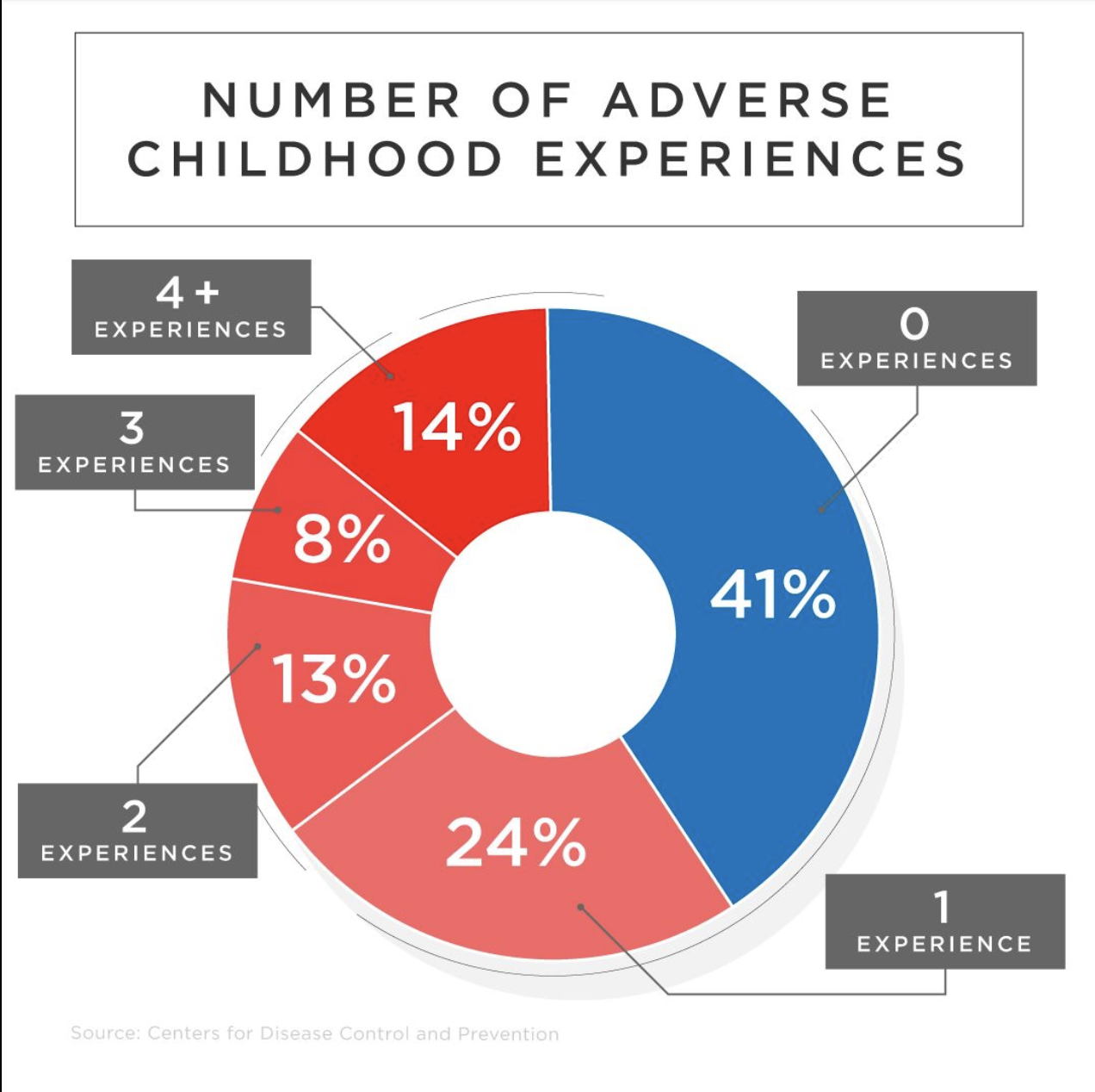
According to the Centers for Disease Control and Prevention (CDC), more than half of all U.S. children have experienced some kind of trauma. This includes abuse, neglect, violence, or challenging household circumstances. And 35 percent of kids have experienced more than one type of traumatic event.
In class, these traumas can manifest in many ways such as acting out. However, they can also be more subtle such as failure to make eye contact, repeated foot tapping, etc.
Childhood trauma was not unknown before the pandemic, but it was much less frequent.
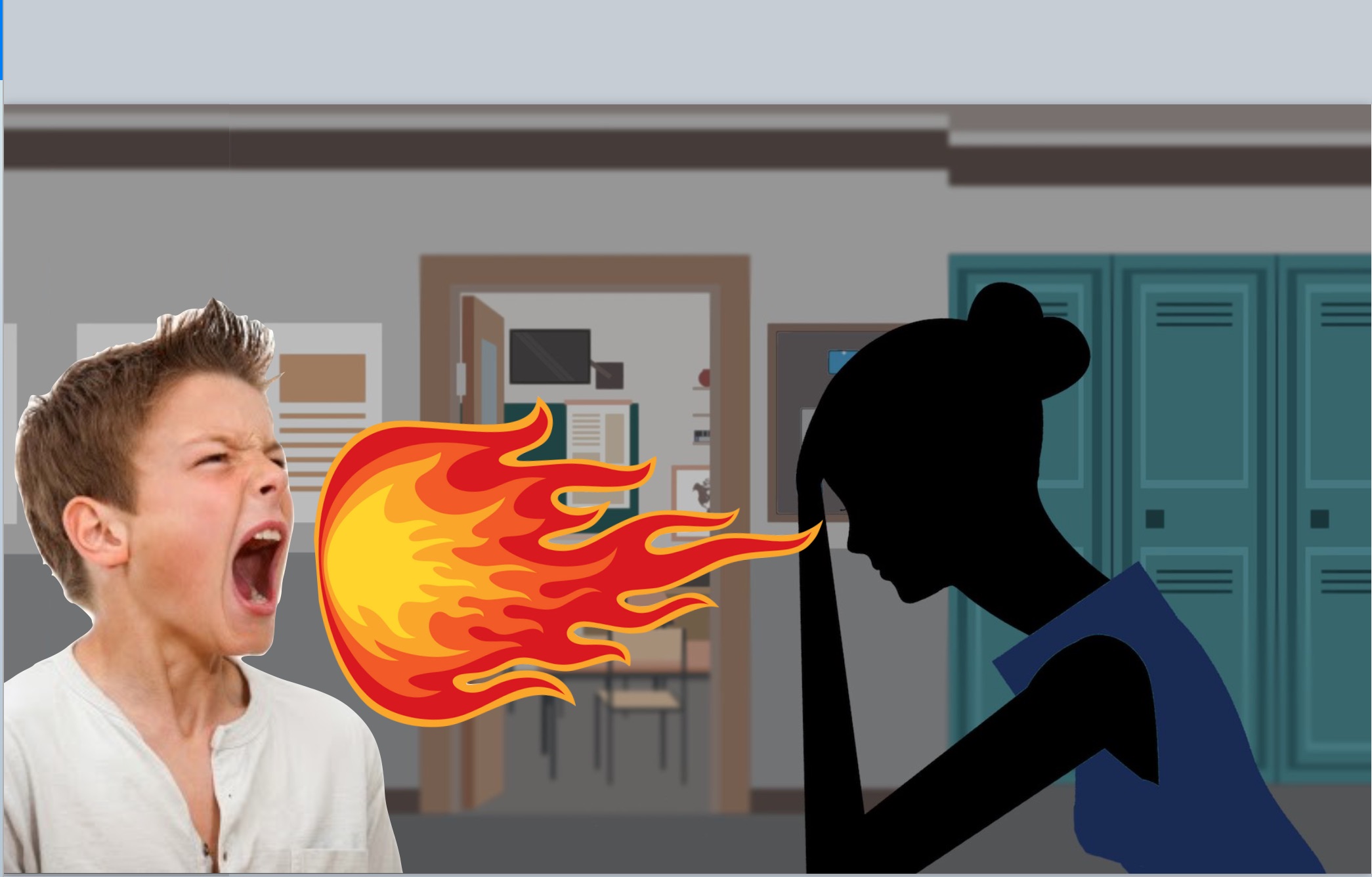
The student who exploded today is a prime example.
Clearly something may have happened to him.
A few years ago he had been an A student. He was academically gifted. But when we went to on-line classes to protect against Covid-19, he disappeared.
Only to come back like this.
As a classroom teacher with two decades of experience, I know that when a student acts this way, punishing him won’t help. He needs support coping, but that’s easier said than done.
I need help coping with HIM!
These adverse childhood experiences (ACEs) can impact kids well into adulthood with higher risks for alcoholism, liver disease, suicide, and other health problems.
And it affects their teachers, too.
Since schools have reopened, many kids don’t seem to know how to interact without teasing, goading or tormenting each other. We’re seeing children scream at each other in class over things as simple as finding a pencil. There are more frequent fights, vandalism, bullying, cyber bullying and even attacks against teachers.
Last week at my school, a student in the hall pushed another student into a teacher’s back. The first student was trying to fulfill the infamous TikTok challenge of hitting a teacher, but he wanted to avoid punishment by being able to claim it was an accident.
This increase in negative behaviors can be directly attributed to the pandemic.
According to the CDC, more than 140,000 children in the U.S. have lost a primary or secondary caregiver such as a live-in grandparent or another family member to the virus.
With fewer role models at home and less time in the classroom over the last year and a half, kids are suffering. And that’s not just anecdotal. The facts back it up.
Suicide attempts among 12- to 17-year-old girls increased by about 50 percent over winter 2019, according to the CDC.
And these numbers are probably under reported since these increases took place at the height of the pandemic when many people were hesitant to seek medical attention.
The increase in student trauma and the lack of additional supports is undoubtedly contributing to the speed at which teachers are leaving the profession.
We want to help our students but many of us feel ill-equipped to do so. And it’s negatively affecting our own health.
It is vital that people stop hurling stones and understand the increased burden placed on teachers’ shoulders. Not only that, but it’s well past time for people to get off the side lines and actually support educators.
We need time to talk with our colleagues about what we’re experiencing.
That’s not just gossiping or socializing. It’s necessary to function.
Educators need the ability to talk through what they’re experiencing and what they’re feeling with other teachers coping with secondary trauma, according to Micere Keels, an associate professor at the University of Chicago and founder of the TREP Project, a trauma-informed curriculum for urban teachers.
“Reducing professional isolation is critical,” said Keels. “It allows educators to see that others are struggling with the same issues, prevents the feeling that one’s struggles are due to incompetence, and makes one aware of alternative strategies for working with students exhibiting challenging behavior.”
However, this can’t be something teaches do on their own. This is an essential part of the job.
Part of our profession has become being put in harm’s way. We need the time to cope with that on the job with our colleagues.
In addition, this allows teachers to work together to develop coping strategies.
For instance, it’s never good to meet a student’s anger with yelling or fury of your own. Educators need to find ways to de-escalate and bring the tension down in the classroom.
Finally, it is essential that teachers are allowed the latitude to go home from their jobs.
By that, I don’t mean that teachers are held hostage, that any district forces their staff to stay in the building 24/7. I mean that many teachers find it difficult to go home and stop being teachers. We’re always on. We need time to turn off and tune out.
Educators often take mountains of work home, grade papers, call parents, etc. All on their own time.
Every district can accomplish some of it TOMORROW.
If we want to continue having teachers – I mean flesh-and-blood teachers with college degrees and hard won experience, not just technology, apps or a rotating cast of minders and babysitters – we have to take care of them.
They take care of our children.
It’s time we gave back what they need to get the job done.
It’s time we gave back the respect they deserve.
It’s time we gave them the opportunity to heal from the trauma of coping with our children.
Like this post? You might want to consider becoming a Patreon subscriber. This helps me continue to keep the blog going and get on with this difficult and challenging work.
This would include a course syllabus or written summary of every class, the state academic standards for each course, and a link or title for every textbook used.
Moreover, the whole thing is really just a political sham to stoke the radical Republican base. The measure has little chance of actually being implemented.
The bill (HB 1332) passed the House largely along party lines last week with a few Republicans joining Democrats against it.
Now it is set for a full vote by the Senate where it will probably sail through with GOP support after which Democratic Governor Tom Wolf has already promised to veto it.
So why is Lewis putting on this dog and pony show?
“Parents need to be in the driver’s seat when it comes to education, not some out-of-state textbook publisher teaching heaven knows what (hint: anti-American socialism) to our students.”
Moreover, I guess no one told him that state law already requires that public schools give parents and guardians access to information about instructional materials.
Even schools in the Keystone state are scrambling to find enough subs.
If you want to know what happens in public schools, you can do better than clicking on some Website. You can actually volunteer to come in and cover an absent teacher’s class!
About eight years ago, 40,000 teachers were graduating from Pennsylvania colleges a year. This past year, it was only 14,000.
That means not only fewer classroom teachers to replace those who retire, but fewer substitute teachers to take over for professional absences.
The situation has gotten so bad that the legislature (on which Lewis serves) had to pass a new measure allowing college students who are studying education to fill in as substitutes.
Many districts such as Erie, Greater Latrobe and State College have increased substitute pay to entice more people to apply for the job.
And, frankly, almost anyone can do it.
Even folks like Lewis and his Republican buddies! Heck! The legislature is only in session a few weeks every month! They have plenty of time to moonlight as substitute teachers and get the low down about what’s really happening in our public schools!
Districts that aren’t experiencing a shortage may require a teaching certificate as well, but beggars can’t be choosers. In districts where it is hard to get subs (i.e. those serving poor and minority kids) you can get emergency certified for a year.
And many states are lowering the bar even further!
Not only would lawmakers have a chance to look over teacher’s lesson plans, but they’d get detailed instructions from the absent teacher about how to actually teach the lesson!
They’d get to interact with principals as they’re told which additional classes they have to cover in their planning periods and which extra duties they’d be responsible for performing.
They’d get to do things like monitor the halls, breakfast and lunch duty, watch over in-school suspension, and – if they’re lucky – they might even get to attend a staff meeting and be front row center for all the educational initiatives being conducted in the school!
If our representatives took this opportunity, they would learn so much!
I mean, sure, we encourage kids to stand for the pledge to the flag and things like that but when it comes to telling them how to think – that’s not a public school thing. That’s a private and parochial school thing.
They’d see that public school lessons give students information on a subject but then ask them to come to their own conclusions about it.
In fact, this would be such an educational experience, I think legislators on both sides of the aisle should take advantage of this unique opportunity.
And not even just those in Harrisburg. What better way for school directors to understand the institutions they’re overseeing than to volunteer as subs? What better way for the mayor and city council to understand the needs of children than putting themselves in the classroom when the teacher can’t be there?
It could make them better public servants who craft legislation that would actually do some good in this world and not – like Lewis – just showboat to enrage partisans and stoke them to vote for people willing to feed their fears and prejudices.
Any takers?
Like this post? You might want to consider becoming a Patreon subscriber. This helps me continue to keep the blog going and get on with this difficult and challenging work.
He is holding his gut and rocking back and forth in cries of wordless emotional pain as the rest of the class looks on in bewilderment.
Students from other rooms start to cluster around the door until a security guard makes them go away.
I close the door to my own classroom and try to settle my students down – but we can still hear him through the walls.
And then:
“Shut up!”
“You’re stupid!”
“Why don’t you make me!?”
Believe it or not, this is not what teaching middle school used to be like.
Eighth grade students were never perfect angels, but at least by then they used to know how to talk to one another. They could usually interact without constant sniping. They knew what was expected to get respect from each other and at least tried to do it.
But things have changed.
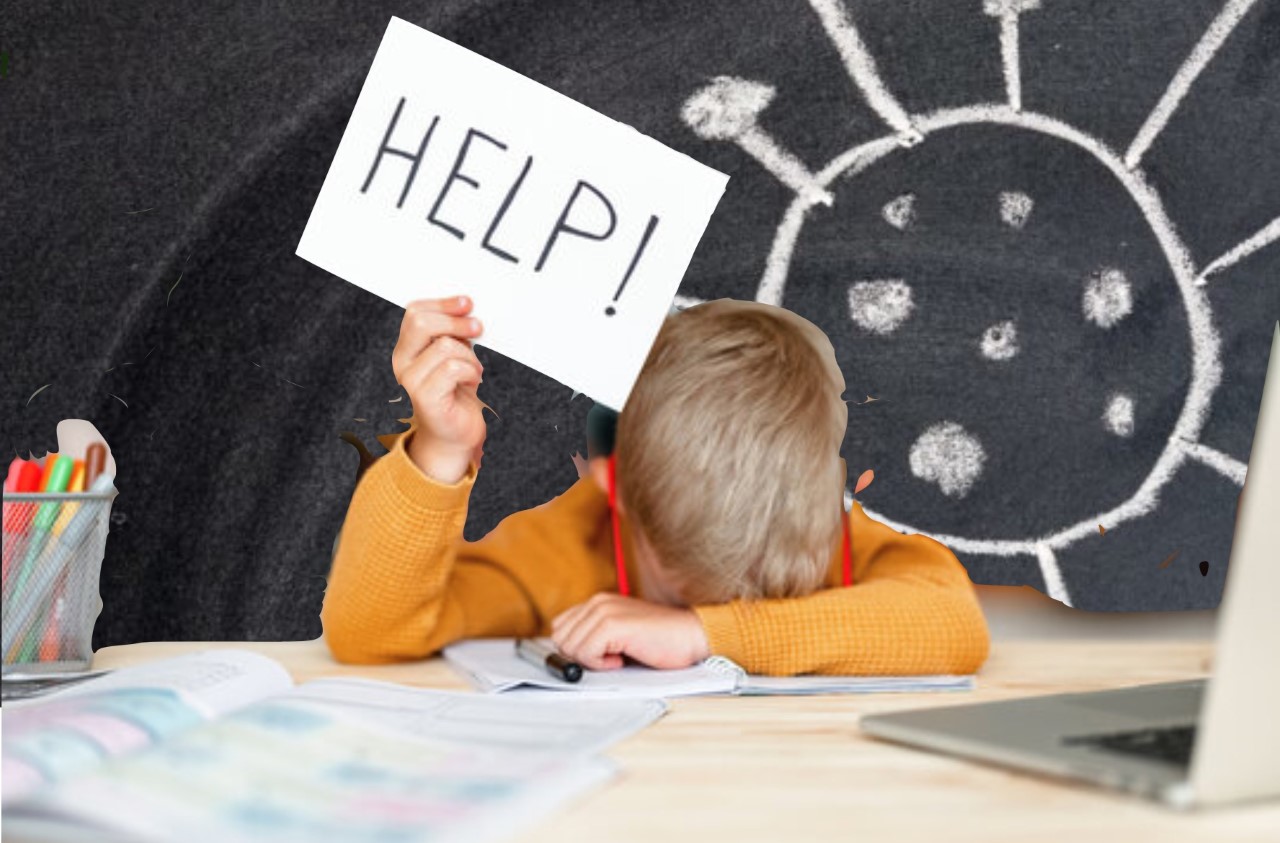
After 18 months of a pandemic, even when they aren’t infected with disease, children still are suffering tremendously from the effects of Covid-19.
Adolescents are dealing with higher rates of anxiety, depression, stress, and addictive internet behaviors.
Suicide attempts among 12- to 17-year-old girls increased by about 50 percent over winter 2019, according to the CDC.
And these numbers are probably under reported since these increases took place at the height of a pandemic when many people were hesitant to seek medical attention.
When Covid-19 swept our shores last year, much of the benefit of formal education fell through the cracks.
Consistency went out the window. Many schools went to on-line learning or a hybrid model of in-person and on-line offset with increasingly common periods of quarantine.
These were often necessary to keep kids and their families safe – and in some cases still are. As a society, we could have done more to blunt the blow such as paying parents to stay safe at home as well as supervise their children, but economic concerns took precedence to human ones.
Many students attended school haphazardly and their parents often weren’t around to give them the kind of stability, role models or attention they’d normally get at school.
According to the CDC, more than 140,000 children in the U.S. lost a primary or secondary caregiver such as a live-in grandparent or another family member to the virus.
No wonder kids are having trouble dealing with their emotions! Their support systems are shot!
My students are bright, caring, energetic and creative people. They have the same wants and needs as children always have. They just have fewer tools with which to meet them.
My students are not suffering from a lack of academics. They’re suffering from a lack of social and emotional development.
I teach Language Arts and, sure, my kids may not have been exposed as deeply to certain concepts as those who came before them. They may not have written an acrostic poem or read Dickens or had as much experience writing. But that doesn’t mean they’re deficient.
Teachers know this. That’s why we scaffold our lessons. We get to know our kids and where they are before we can gauge what they still need to learn.
My students may not have read the play they would have in 7th grade, but I can help them understand the components of drama when we read a play in the curriculum for 8th grade. They may not have written a particular type of poem last year, but we can still read one and understand it this year.
Many students have difficulties with spelling and punctuation. That’s true this year as well as any other. That doesn’t mean they’ve lost anything. It means they need more instruction and practice.
I’m not worried about that. It’s really pretty similar to any other year.
What does concern me is the level of immaturity and social awkwardness I’m seeing.
Part of that is creating a class culture where everyone feels respected and safe. That’s difficult to do when kids don’t know how to communicate without conflict.
In schools, we’re trying to instill a sense of consistency and care. We’re trying to teach kids the basics of human interaction again – something even some adults are having to relearn.
And let me tell you – it’s extremely hard in large, anxious groups dealing with the continuing uncertainty of our times.
My own health has suffered under the pressures with which educators are forced to contend. Unnecessary paperwork, increased expectations, lack of respect and compensation have teachers stretched to a breaking point.
I was in and out of the hospital all last week and the district had great difficulty finding an adult to sub for me.
For two days they resorted to hiring parents from the community to watch my classes. I’m told that one of them reported to the office at the end of the day and promptly told the secretary not to call her tomorrow, that she was never coming back.
It’s hard for professional educators, too.
According to a 2020 survey by the New York Life Foundation and American Federation of Teachers, only 15% of teachers feel comfortable addressing grief or trauma tied to the pandemic.
Like this post? You might want to consider becoming a Patreon subscriber. This helps me continue to keep the blog going and get on with this difficult and challenging work.
My daughter’s school has been open for seven days so far this year.
The school where I teach has been open three days.
Masks optional at both.
Do you know how terrifying that is for a father – to send his only child off to class hoping she’ll be one of the lucky ones who doesn’t get sick?
Do you know how frustrating it is for an educator like me trying to teach while unsure how long your students will be well enough to stay in class? Unsure how long you will?
The Centers for Disease Control (CDC) warns we should wear masks in school to protect from Covid-19, especially the more virulent delta variant.
So does the American Academy of Pediatrics, the Nationwide Children’s Hospitals Care Connection, the Allegheny County Department of Health…
And just about every doctor, immunologist and specialist at UPMC as well as the Pennsylvania State Education Association, and the National Education Association and the American Federation of Teachers.
The school directors where I work refused to even explain their reasoning behind denying the precaution.
But BOTH groups promised to abide by any mandates handed down from on high.
It seemed that neither group had the courage to make the decision, themselves. They just passed it on to parents knowing full well that there would be no consistency.
That’s 184 districts with some form of mask requirement, 307 optional and 9 unknown.
What a disgrace!
It just goes to show that the great majority of school directors in the Commonwealth are cowards, stupid or both.
If the voters don’t rise up and replace these fools, we will only have ourselves to blame.
They have betrayed the public trust.
They should be hounded from our midst, unfit to even show themselves in society.
To put kids lives at risk because you haven’t the guts to take the responsibility! Or worse, to be so idiotic as to distrust nearly every medical professional, scientist, immunologist or specialist!
As a state, and as a country, we have been given an intelligence test – and our leaders have mostly failed.
Another failure of voters to turn out and support one of the few people with the courage to protect our children.
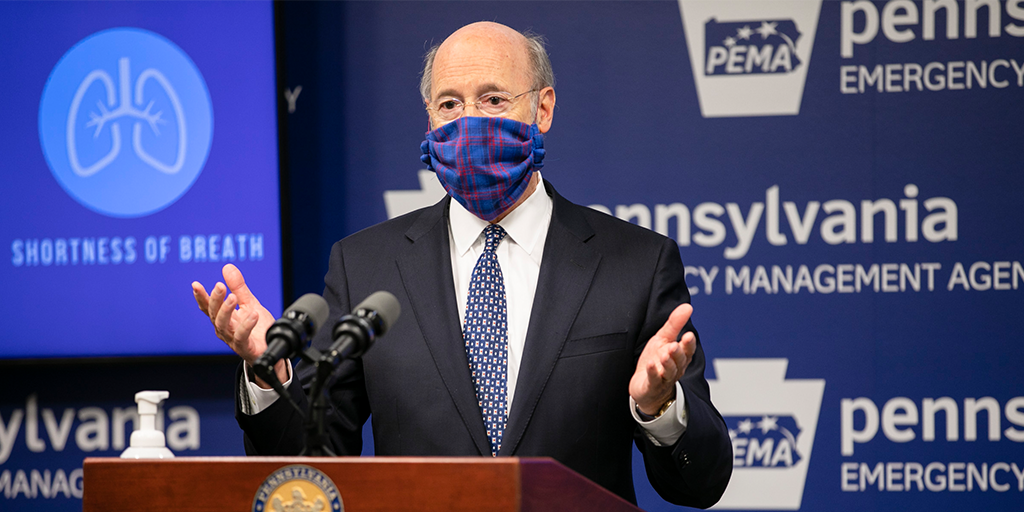
However, May’s referendum did not affect the Wolf administration’s ability to implement a masking order or other public-health rules under the state’s disease-control law. The Pennsylvania Department of Health has the authority to issue a statewide mask order for K-12 schools under a state law that empowers the department to take appropriate measures to protect the public from infectious diseases.
To his credit, Wolf tried to work with the legislature to get this done.
He asked the Republican-controlled state House and Senate to come back in session and vote on the matter. But since they prefer politics to safeguarding children they refused.
We are fortunate to have at least one adult in Harrisburg – and he lives in the Governor’s mansion.
As many other states have done, we need to require all school employees to get the Covid vaccine or provide proof of regular negative COVID tests just to enter educational buildings.
Right now children younger than 12 are not eligible to be vaccinated. We need to require those young people who are eligible to get the vaccine or provide them with an alternative like remote learning. And when the vaccine has been cleared for all children, we need to add it to the long list of other vaccines children already need to get to enter school.
We need an influx of funding to make it possible to keep kids in school and still keep them socially distanced. As it is now, this is nearly impossible – I speak from experience.
The school where I teach has hardly any social distancing, and frankly we can’t have in-person school without more classrooms, more teachers, more space.
We need to bring back cleaning protocols to make sure every classroom is properly disinfected between periods. We need to ensure that school buildings are properly ventilated.
Will this be expensive? Probably, but if we could waste $300 million a day for two decades in Afghanistan that resulted in NOTHING, we can afford to properly fund our schools for once!
But most of all, we have to come to an understanding – the pandemic is not over – and it will not be over until enough of the general population is vaccinated.
Are you frustrated by masks? Are you frustrated we have to keep going back to these safety precautions?
But these precautions can’t go away just because we’re frustrated. People have to understand that the only way they will go away is if everyone does their part.
Going out in public unmasked should bring severe social consequences.
People who recklessly put the lives of others in danger just because they don’t feel like being bothered deserve the cold shoulder.
They should be stigmatized, rebuffed and ostracized.
Let me be clear. I’m not talking about physical violence. I’m talking about social consequences for acting like an Asshole.
We need to grow up.
Actions have consequences.
We need a functioning society.
And communities that can’t even come together to protect their own children are nothing of the sort.
It’s way past time we took action.
Gov. Wolf has put us on the path, but this is not over.
This is just the beginning.
Like this post? You might want to consider becoming a Patreon subscriber. This helps me continue to keep the blog going and get on with this difficult and challenging work.





















 gadflyonthewallblog